
Why Is Pet Care Important? Key Reasons for Health, Bonding, and a Happy Home
Understanding the Significance of Pet Care
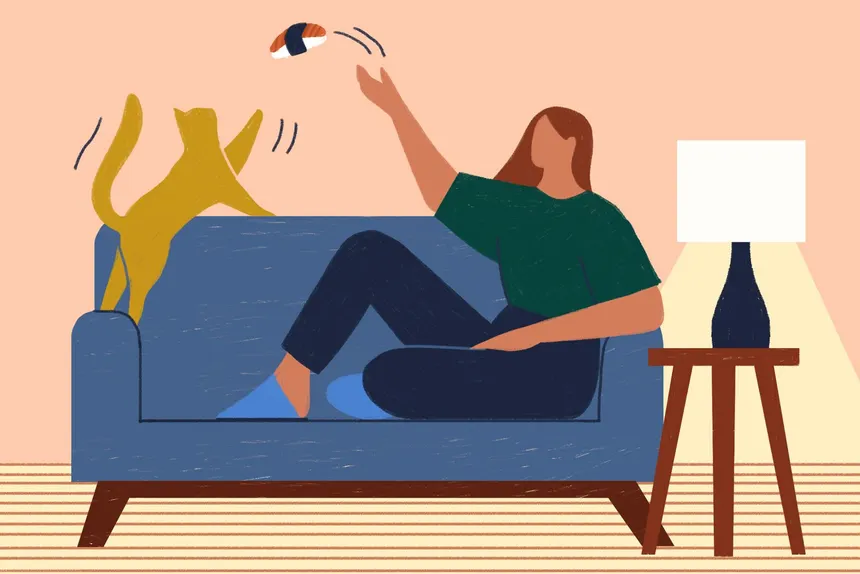
Proper pet care strengthens the pet-owner relationship. Consistent routines, such as daily feeding and regular grooming, reduce stress and behavioral problems in pets like dogs and cats. Pets thrive in environments where owners meet physical and emotional needs.
Attention to health maintenance directly impacts a pet’s well-being. Preventive measures, including vaccinations and annual veterinary check-ups, lower the risk of disease. Healthy pets show improved social, cognitive, and physical function.
| Essential Care Task | Frequency | Benefits |
|---|---|---|
| Feeding | Daily | Growth, energy, healthy weight |
| Fresh water | Daily | Hydration, kidney function |
| Grooming (brushing, bathing) | Weekly/Monthly | Skin/coat health, bonding |
| Veterinary check-up | Yearly (minimum) | Early disease detection |
| Exercise/Play | Daily | Prevents obesity, reduces anxiety |
Responsible practices contribute to longer lifespans. The American Veterinary Medical Association reports that spayed or neutered pets (e.g., cats, dogs) live longer on average. Early intervention and routine dental care further extend lifespan and improve quality of life.
| Health Factor | Effect on Pets | Data/Source |
|---|---|---|
| Spaying/Neutering | Increases longevity | AVMA: 13-18% longer lifespan |
| Vaccinations | Prevents infections | CDC: Reduces rabies, parvovirus |
| Dental hygiene | Maintains organ health | AVDC: Lowers risk of heart/kidney disease |
Personal involvement raises awareness of animal welfare. Engaged owners recognize environmental cues, such as changes in appetite or behavior, and act before minor issues escalate. Pet care supports a positive home environment, reflected in improved mood for pets and owners alike.
Key Benefits of Responsible Pet Care
Responsible pet care provides lifelong advantages for pets and owners. I experience a deeper, trust-based connection while supporting my pet’s vitality and happiness.
Promoting Pet Health and Longevity
Meeting pets’ physical needs directly supports their health and longevity. I maintain vaccination schedules, offer species-appropriate nutrition, and keep up with annual check-ups to reduce disease risk and promote longer lives.
Longevity Benefits from Key Pet Care Actions
| Action | Impact | Example Species |
|---|---|---|
| Vaccinations | Prevent contagious diseases | Dogs, cats, rabbits |
| Annual veterinary check-ups | Early disease detection | Dogs, cats, birds |
| Proper nutrition | Supports growth, immune health | Dogs, cats, reptiles |
| Spaying/neutering | Reduces risk of some cancers, overpopulation | Cats, dogs, ferrets |
Enhancing Emotional and Mental Well-Being
Consistent care fosters my pet’s emotional balance and cognitive engagement. Daily routines, positive interaction, and mental stimulation reduce stress and support behavioral stability.
Mental Benefits from Routine Pet Care
| Care Practice | Emotional Impact | Cognitive Benefit |
|---|---|---|
| Regular playtime | Reduces anxiety, builds trust | Enhances problem-solving |
| Socialization | Improves adaptability, reduces fear | Increases learning speed |
| Grooming | Strengthens bond, keeps pet calm | Reinforces positive cues |
Responsible care creates a safe, stimulating environment where my pet’s physical and psychological needs coexist for optimal overall well-being.
The Impact of Pet Care on Human-Pet Relationships

Consistent pet care shapes the core of every strong human-pet relationship. My approach to daily routines and attentive health practices sets the foundation for trust, companionship, and positive behavior.
Building Trust and Companionship
Regular care—like feeding, exercise, and grooming—directly builds trust between me and my pet. Consistency signals reliability, encouraging my pet to feel secure and connected.
Table: Care Activities and Their Impact on Trust
| Care Activity | Frequency | Effect on Trust | Examples |
|---|---|---|---|
| Feeding | 1x daily | Creates anticipation, bonds | Timely meals |
| Walking | 1–2x daily | Shared experience, routine | Leash walks, park visits |
| Grooming | 1–3x weekly | Encourages calm, closeness | Brushing, bathing |
| Playtime | Daily | Builds shared joy | Fetch, puzzle toys |
Daily care routines increase my pet’s willingness to seek out my presence, reinforcing companionship over time. By integrating positive interactions, I support communication, emotional resilience, and a desire in my pet to remain close.
Reducing Behavioral Issues
Proactive pet care reduces behavioral issues by satisfying my pet’s needs for stimulation and security. Lack of exercise or attention often leads to issues like excessive barking, scratching, or anxiety.
Table: Common Behavioral Problems and Preventive Pet Care
| Behavior Problem | Related Care Practice | Preventive Effect | Example Method |
|---|---|---|---|
| Separation Anxiety | Routine scheduling | Calms nervousness | Predictable meal times |
| Aggression | Regular exercise | Reduces excess energy | Running, fetch |
| Destructive Chewing | Enrichment toys/activity | Minimizes boredom | Puzzle toys, training |
| House Soiling | Consistent bathroom breaks | Reinforces routine | Scheduled walks |
Meeting psychological and physical needs results in pets that show more stable, calm behaviors. My consistent attention enables early correction of undesirable actions and reinforces positive habits, deepening the mutual trust and making my home environment harmonious.
Consequences of Neglecting Pet Care

Neglecting essential pet care leads to major impacts on both pet health and emotional well-being. My experience shows that consistent attention is vital for sustaining a pet’s quality of life.
Health Problems and Shortened Lifespans
Ignoring core health needs exposes pets to risks for disease, injury, and early death. Lack of proper vaccination, nutrition, or preventive veterinary visits increases the incidence of infections, parasites, and chronic illnesses such as diabetes or dental disease. I rarely see neglected pets thrive to their full lifespan.
| Neglected Care Type | Common Health Consequences | Impact on Lifespan |
|---|---|---|
| Missed Vaccinations | Rabies, Parvo, Distemper | High risk of death |
| Poor Nutrition | Obesity, Malnutrition, Weak Immunity | Shortened by 2–5 years |
| Skipped Vet Check-ups | Undetected Illnesses, Pain | Up to 30% reduction |
| Ignored Grooming | Skin Infections, Matting | Chronic discomfort |
Social and Emotional Effects on Pets
Neglect affects pets’ social behaviors, triggering anxiety, fear, or destructive tendencies. Missed playtime, minimal interaction, or unpredictable routines often lead to pets developing trust issues or acting out through aggression. I observe a clear drop in their overall happiness and willingness to bond.
| Neglected Social Care | Typical Behavioral Outcomes | Emotional Impact |
|---|---|---|
| Lack of Play/Interaction | Destructive Behavior, Barking | Increased Anxiety, Loneliness |
| Unstable Routines | House-Soiling, Withdrawal | Reduced Trust, Confusion |
| Little Positive Feedback | Attention-Seeking, Depression | Lower Confidence, Stress |
Simple Steps to Improve Pet Care at Home
Consistent daily routines benefit pets by supporting their health and emotional well-being. I focus on foundational tasks that keep my pet safe, comfortable, and active.
Feeding and Hydration
Providing balanced nutrition and clean water daily maintains my pet’s physical health and energy. Measuring portions helps control weight and avoid obesity-related conditions.
| Task | Frequency | Benefit |
|---|---|---|
| Feed balanced meals | 1-2x daily | Sustains energy, growth |
| Refill fresh water | Daily | Prevents dehydration |
Regular Grooming
Brushing and bathing improve skin, coat, and hygiene. I monitor for parasites like fleas during grooming to catch problems early.
| Task | Frequency | Benefit |
|---|---|---|
| Brush fur | Daily/Weekly | Reduces shedding, mats |
| Bathe | Every 1-3 months | Maintains hygiene |
| Nail trim | Every 2-4 weeks | Prevents overgrowth |
Scheduled Veterinary Check-ups
Routine visits let me catch disease early and keep vaccinations updated. Following a preventive care schedule curbs unexpected health emergencies.
| Task | Frequency | Purpose |
|---|---|---|
| Vet wellness exam | Annually | Early illness detection |
| Vaccinations | As recommended | Disease prevention |
| Parasite control | Monthly/Quarterly | Prevents fleas, ticks, worms |
Daily Exercise and Enrichment
Physical and mental activities improve my pet’s mood and prevent obesity. I use walks, training games, and puzzle toys for engagement.
| Activity | Frequency | Example | Outcome |
|---|---|---|---|
| Walks | Daily | Morning/evening walks | Maintains weight |
| Playtime | Daily | Tug-of-war, fetch | Reduces boredom |
| Training sessions | 2-3x/week | Sit, stay, recall | Builds good behaviors |
Safe and Stimulating Environment
A secure home prevents accidents and discourages destructive behaviors. I provide beds, scratch posts, and safe toys tailored to my pet’s species.
- Install baby gates for dogs or mesh screens for cats
- Remove toxic plants like lilies and poinsettias
- Rotate toys to maintain interest
Caring for pets at home involves routines, preventive care, and a supportive environment, all of which enhance their health and happiness.
Conclusion
I’ve seen firsthand how much pets rely on us for their health and happiness. When I take the time to meet their needs and offer them love and care, I notice a real difference in their behavior and well-being. It’s not just about routines or check-ups—it’s about building trust and creating a fulfilling life together.
By making pet care a priority, I’m able to give my furry companions the best chance at a long, joyful life. Their loyalty and affection are worth every effort, and the bond we share only grows stronger with each thoughtful choice I make.
Frequently Asked Questions
Why is responsible pet care important?
Responsible pet care is essential because it ensures your pet’s health, happiness, and well-being. Meeting their physical and emotional needs helps foster trust, reduces stress, and leads to a stronger bond between you and your pet.
What are the basic daily needs of a pet?
Pets need balanced food, fresh water, exercise, grooming, and positive social interaction every day. These routines help support their growth, reduce anxiety, and maintain overall health.
How often should I take my pet to the vet?
Most pets need annual veterinary check-ups, but some may require more frequent visits depending on age, breed, and health. Regular vet visits help detect health issues early, keep vaccinations up to date, and promote long-term wellness.
How can I create a safe and stimulating environment for my pet?
Provide secure spaces, safe toys, and mental enrichment activities. Remove hazards, keep toxic items out of reach, and offer opportunities for exploration and play to prevent boredom and destructive behavior.
What happens if I neglect my pet’s care?
Neglecting a pet’s needs can lead to health problems, behavioral issues, and emotional distress. Over time, this weakens the bond between you and your pet and can shorten their lifespan.
Are regular routines really necessary for pets?
Yes, regular routines help pets feel secure, reduce stress, and promote better behavior. Consistent feeding, grooming, exercise, and playtimes create a stable, happy environment for your pet.
Is it necessary to spay or neuter my pet?
Spaying or neutering is recommended for most pets. It helps prevent unwanted litters, reduces the risk of certain health issues, and can lead to a longer, healthier life for your pet.
How does pet care benefit pet owners?
Caring for pets can improve owners’ mental well-being, lower stress, and foster companionship. It also teaches responsibility and builds a meaningful, rewarding connection with your pet.