
Pet Care Tips and Tricks: Essential Advice for Pet Health, Nutrition, Grooming, and Happiness
Essential Pet Care Tips and Tricks

Routine health checks support a pet’s long-term wellness. I schedule annual veterinary appointments for vaccinations, parasite screening, dental evaluation, and physical exams. For pets with chronic conditions, I book check-ups every 6 months.
Nutrition impacts a pet’s growth and energy. I select species-appropriate foods and consult a veterinarian before introducing new diets or supplements. For portion sizes, I weigh meals using a digital scale instead of estimating.
| Pet Type | Feeding Frequency | Common Food Types | Sample Portion Size |
|---|---|---|---|
| Dog (20 lbs) | 2x daily | Kibble, Wet Food, Fresh | 1.5 cups per meal |
| Cat (10 lbs) | 2x daily | Kibble, Wet Food | 0.5 cups per meal |
| Rabbit | 1x daily | Hay, Leafy Greens, Pellets | 1 cup veggies + hay |
Exercise routines reduce behavior issues and maintain weight. I play fetch with dogs, use teaser toys for cats, and provide supervised floor time for small pets like guinea pigs.
| Activity | Suitable Pets | Minimum Daily Duration |
|---|---|---|
| Walks | Dogs | 30 minutes |
| Interactive Play | Cats, Ferrets | 20 minutes |
| Enclosure Cleaning | All (e.g. birds, rodents) | 10 minutes |
Grooming frequency depends on fur length and species. I brush long-haired cats and dogs at least 3 times per week and bathe dogs monthly using pet-safe shampoo. Nail trims occur every 4 weeks for most small animals.
Environmental enrichment curbs stress and boredom. I rotate toys, offer puzzle feeders, and arrange safe spaces where pets can retreat for quiet.
Monitoring behavior warns me about changes in health. I note differences in appetite, bathroom habits, activity, or temperament, then contact a veterinarian if these changes persist beyond 48 hours.
ID tags and microchips reduce the risk of a lost pet. I keep records with my contact details updated and attach a visible ID tag to each collar. For indoor cats, I still register microchip information in national databases.
Safe spaces at home help pets manage anxiety. I set up cozy beds in low-traffic areas, use pheromone sprays for cats (for example, Feliway), and maintain a predictable daily routine.
Nutrition and Feeding Advice
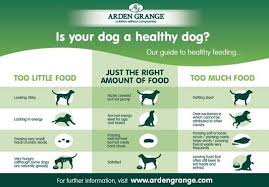
Nutrition directly affects my pet’s health, energy, and longevity. Feeding habits, ingredients, and mealtime routines matter across species.
Choosing the Right Food
Choosing the right food means matching nutritional levels to the specific pet species, age group, and any medical issues. For example, senior dogs thrive on high-protein, lower-calorie diets, while kittens require almost twice the protein per pound compared to adult cats. I always check for AAFCO or FEDIAF compliance labels, since they indicate complete and balanced nutrition for my pet’s stage. Ingredient quality impacts food effectiveness—avoid excess fillers like corn or animal byproducts if possible. Consulting my veterinarian helps me identify food for allergies, grain-sensitivities, or chronic issues like kidney disease.
Common Nutrition Needs by Pet Type
| Pet Type | Calories per Pound | Key Nutritional Factor | Recommended Protein (%) |
|---|---|---|---|
| Dog | 20-30 | Omega-3 fatty acids | 18-30 |
| Cat | 25-35 | Taurine | 26-40 |
| Rabbit | 30-45 | Fibre | 12-16 |
| Parrot | 10-15 | Vitamin A | 10-14 |
Portion Control and Feeding Schedules
Portion control limits obesity, a key risk factor for diabetes and joint issues. Measured feeding, not free feeding, allows me to spot appetite changes quickly. I follow guidelines on the pet food package, then fine-tune based on my veterinarian’s advice, my pet’s weight, and activity level. Most dogs and cats eat 2 measured meals each day, while rabbits and parrots fare best with small, frequent feedings.
| Pet Type | Method | Meals per Day | Sample Feeding Times |
|---|---|---|---|
| Dog | Measured portions | 2 | 7:00 a.m., 6:00 p.m. |
| Cat | Measured portions | 2-3 | 7:00 a.m., 3:00 p.m., 8:00 p.m. |
| Rabbit | Free-choice hay, measured greens | 3 | 7:00 a.m., 1:00 p.m., 7:00 p.m. |
| Parrot | Measured pellets, fruits | 2-3 | 8:00 a.m., 2:00 p.m., 6:00 p.m. |
Grooming and hygiene routines support a pet’s overall health and comfort. I include regular care techniques for bathing, brushing, dental maintenance, and ear cleaning in daily and weekly pet care schedules.
Bathing and Brushing Techniques
Bathing and brushing methods depend on a pet’s coat type. I match frequency and products to each animal for best results.
| Pet Type | Recommended Bath Frequency | Brushing Frequency | Brush Type Example |
|---|---|---|---|
| Dog (short coat) | Every 8-12 weeks | Weekly | Rubber curry brush |
| Dog (long coat) | Every 4-6 weeks | 3-4 times/week | Slicker or pin brush |
| Cat (short hair) | Every 2-3 months | Weekly | Soft bristle brush |
| Cat (long hair) | Every 1-2 months | Daily | Wide-tooth comb |
| Rabbit | Not recommended | Weekly (short hair), Daily (long hair) | Grooming comb |
Brushing removes dirt, reduces shedding, and helps spot skin issues. I use lukewarm water and pet-safe shampoos during bathing. I rinse thoroughly to prevent skin irritation, ensuring the coat dries completely.
Dental and Ear Care
Dental and ear cleaning routines promote a pet’s well-being. I schedule dental checks with my vet and clean teeth at home to reduce tartar and gum disease risk.
| Pet Type | Dental Cleaning Frequency | Ear Cleaning Frequency | Common Issues Managed |
|---|---|---|---|
| Dog | Brush 2-3 times/week | Weekly (floppy-eared breeds) | Plaque, tartar, ear infections |
| Cat | Brush weekly | Every 2-4 weeks | Gingivitis, wax buildup |
| Rabbit | Monitor chewing habits | Rare (if needed) | Overgrown teeth, mites |
| Parrot | Provide chew toys | Monthly | Beak overgrowth, infection |
I use pet toothbrushes and enzymatic toothpaste for dental care, avoiding human toothpaste. I clean ears gently with a damp cotton ball or vet-recommended cleaner, checking for odor, redness, or discharge. I contact my veterinarian if I notice persistent odor or debris, as these may signal infections.
Exercise and Enrichment Ideas
I focus on daily exercise and enrichment to boost my pets’ physical health and reduce stress. Species-appropriate activities also prevent boredom-related behaviors.
Fun Activities for Dogs and Cats
I choose activities that match my pets’ age, breed, and energy levels. For dogs, daily walks, fetch, and agility exercises keep muscles and joints strong. For cats, I use interactive play with wands and climbing trees to encourage natural hunting instincts and maintain flexibility.
Activity Comparison Table
| Animal | Example Activities | Duration (per day) | Benefits |
|---|---|---|---|
| Dog | Walks, fetch, agility | 30-60 min | Weight control, mental focus |
| Cat | Wand play, laser chase | 15-30 min | Stress relief, joint health |
I include brief training sessions along with physical games since commands like “sit”, “stay,” or “high five” stimulate engagement and foster bonding.
Mental Stimulation and Toys
I rely on enriching environments and rotating different toys to meet mental stimulation needs. For dogs, I use puzzle feeders, scent-tracking games, and chew toys to challenge problem-solving skills and reduce destructive chewing. For cats, I rotate puzzle toys, treat balls, and scratching posts to mimic prey chase and alleviate tension.
Top Picks for Enrichment Toys
| Species | Toy Type | Purpose | Example |
|---|---|---|---|
| Dog | Puzzle feeder | Problem-solving, slow eating | Kong Wobbler, Nina Ottosson |
| Dog | Scent game kit | Olfactory stimulation | Hide-a-Squirrel |
| Cat | Treat ball | Food-motivated play | PetSafe SlimCat |
| Cat | Interactive wand | Chase and pounce instincts | Da Bird, Cat Dancer |
I rotate toys weekly since novelty maintains engagement and prevents habituation. I also supervise new enrichment setups, especially when using small parts or treats, since safety always comes first.
Health and Wellness Strategies
I focus on proactive routines and evidence-based advice to strengthen pets’ resilience. Consistent care supports vitality and minimizes health risks for all companion animals.
Preventative Veterinary Care
Annual veterinary visits help pets maintain optimal health. Scheduling exams every 12 months catches subtle issues before symptoms emerge, improving outcomes for chronic or age-related concerns. Core vaccines shield against diseases like rabies and distemper in dogs, and panleukopenia and herpesvirus in cats. Regular fecal testing monitors for parasites, while monthly preventives for fleas, ticks, and heartworm block infestations.
| Preventative Measure | Frequency | Example Species | Primary Benefit |
|---|---|---|---|
| Comprehensive Vet Exam | Yearly | Dogs, Cats, Rabbits | Detects early illness |
| Core Vaccinations | Annually / As required | Dogs, Cats | Disease prevention |
| Fecal Testing | 1–2 times per year | Dogs, Cats, Rabbits | Parasite detection |
| Parasite Preventives (flea/tick) | Monthly | Dogs, Cats | External/internal parasite block |
| Dental Screening | Each visit | Dogs, Cats, Rabbits | Oral health assessment |
Veterinarians offer customized vaccine and screening plans for pets’ age, lifestyle, and environment. If pets have special needs, I consult specialists for additional care recommendations.
Managing Common Pet Health Issues
Prompt detection and management of common conditions, such as allergies, skin infections, ear infections, and dental disease, extend pets’ well-being. I stay observant for signs like itching, hot spots, discharge, odor, or appetite changes, tracking any patterns in a journal. Early intervention at home, when mild, may include careful cleaning or over-the-counter products recommended by a veterinarian.
| Common Issue | Visible Signs | First-Response Action | Veterinary Follow-Up Needed If |
|---|---|---|---|
| Allergies | Itching, red skin, sneezing | Hypoallergenic diet, clean bedding | Symptoms last >1 week, disrupt activity |
| Skin Infections | Redness, sore spots, odor | Mild antiseptic wash | Wounds ooze, spread, or persist |
| Ear Infections | Head shaking, ear odor | Wipe with vet-approved cleaner | Discharge or swelling increases |
| Dental Disease | Bad breath, drooling | Brushing, dental treats | Bleeding, lost appetite, loose teeth |
I document episodes and triggers to support vets when chronic issues emerge. For recurring problems, I request diagnostic workups to identify causes like food intolerances, hormonal imbalances, or environmental stresses.
Regular checkups, vigilant monitoring, and swift responses shape a comprehensive health strategy that gives pets more active, comfortable lives.
Building a Safe and Comfortable Home
Every pet flourishes in an environment that’s both secure and relaxing. I focus on minimizing risks and improving comfort to keep pets happy and healthy indoors.
Pet-Proofing Your Living Space
I approach pet-proofing by reducing hazards and securing valuables. Cords, toxic plants, and cleaning chemicals create common risks for pets like cats and dogs. I block access to electrical wires, install childproof latches on cabinets, and remove or elevate harmful plants such as lilies and philodendrons.
| Hazard Location | Example Risks | Safe Solutions |
|---|---|---|
| Living Room | Electrical cords | Cord protectors, covers |
| Kitchen | Cleaning agents | Locked cabinets, high shelves |
| Bedroom | Small items (jewelry, cords) | Decorative storage bins |
| Bathroom | Medicines, cleaners | Secure containers |
| Balcony/Patio | Small gaps, toxic plants | Mesh screens, non-toxic greenery |
I monitor floor space for dropped objects like coins, rubber bands, or batteries that cause choking if ingested. For multi-pet households, I separate food bowls to prevent resource guarding and accidental ingestion of non-prescribed diets.
Creating Cozy Resting Areas
I create resting areas with the right bedding, away from drafts, noise, and direct sunlight. Each pet type benefits from tailored comfort; for example, dogs prefer padded beds, while cats seek soft, elevated spots.
| Pet Type | Optimal Bed Type | Placement Recommendation |
|---|---|---|
| Dog | Orthopedic mattress, washable cover | Quiet corner, near family |
| Cat | Plush perch, fleece blanket | Elevated shelf, window ledge |
| Rabbit | Straw mat, soft pad | Enclosure, shaded area |
| Parrot | Rope swing, wood perch | Cage corner, away from vents |
I ensure beds remain clean by washing covers weekly and checking for wear or pests. For anxious pets, I include covered spaces like collapsible crates or hideaways where they retreat when stressed. Blankets, toys, and familiar scents boost comfort in these zones, reinforcing a sense of belonging.
Conclusion
Caring for pets is a journey filled with love and learning. I know every pet is unique and deserves attention tailored to their needs. When I stay curious and committed to their well-being I create a bond that’s both rewarding and lifelong.
My approach to pet care is always evolving as I discover new tips that make life better for both me and my furry or feathered friends. With patience and consistency I can give my pets the best chance at a happy and healthy life.
Frequently Asked Questions
What are the basic needs of any pet?
All pets need routine health checks, proper nutrition, regular exercise, grooming, mental stimulation, a safe environment, and lots of love. Meeting these requirements helps ensure your pet stays happy and healthy.
How often should I take my pet to the vet?
Most pets should have an annual veterinary checkup. Some may need more frequent visits due to age, breed, or health conditions. Regular vet visits help catch health issues early.
What is species-appropriate nutrition?
Species-appropriate nutrition means feeding your pet food formulated specifically for their type—such as dog, cat, rabbit, or parrot—and adjusting for their age, size, and health needs. Look for labels like AAFCO or FEDIAF compliance for reassurance.
How can I prevent pet obesity?
Feed the correct portion sizes, avoid too many treats, and maintain a regular feeding schedule. Combine this with daily exercise suited to your pet’s breed and age to keep them at a healthy weight.
How much exercise does my pet need daily?
Exercise needs vary by species and breed. Most dogs need at least 30-60 minutes of activity daily; cats benefit from multiple short play sessions. Always tailor exercise routines to your pet’s age and health.
Why is grooming important for pets?
Regular grooming keeps your pet’s skin, coat, and nails healthy. It helps reduce shedding, prevents matting, and allows you to check for signs of illness or parasites.
How often should I groom my pet?
Grooming frequency depends on the species and coat type. Long-haired dogs and cats need brushing several times a week, while short-haired breeds may need less. Rabbits and birds require unique grooming routines—consult your vet for specific advice.
What are good ways to mentally stimulate my pet?
Provide interactive toys, puzzle feeders, scent-tracking games, or rotate toys weekly. Regular playtime, training sessions, and positive social interactions also support mental well-being.
How do I make my home safe for pets?
Pet-proof your home by securing electrical cords, removing toxic plants, storing medications and chemicals safely, and providing cozy, accessible rest areas. Always supervise your pet in new environments.
What signs should I watch for that indicate my pet is unwell?
Watch for changes in eating, drinking, behavior, energy level, grooming habits, or bathroom routines. Unusual symptoms like vomiting, diarrhea, coughing, limping, or hiding may signal illness—consult your vet if you notice these changes.