
How Much Do Most Vet Visits Cost? Average Prices for Routine, Emergency, and Preventive Care
Understanding Vet Visit Costs

I compare average vet visit costs to understand potential expenses for my pet. Different services drive the cost, including general exams, vaccinations, diagnostics, and emergency care. Geographic region, clinic type, and pet species—dogs or cats, for example—influence final prices, as documented by the 2024 American Pet Products Association (APPA) survey.
Average Vet Visit Fees
| Type of Visit | Average Cost (USD) | Example Services |
|---|---|---|
| Routine Checkup | $50–$250 | Physical exam, wellness consultation |
| Vaccinations | $15–$45 per shot | Rabies, distemper, parvovirus |
| Preventive Lab Tests | $70–$180 | Bloodwork, fecal analysis |
| Dental Cleaning | $250–$750 | Anesthesia, scaling, polishing |
| Emergency Exam | $100–$500+ | Trauma evaluation, urgent diagnostics |
| Specialist Consultation | $75–$200+ | Dermatology, cardiology |
Routine visits typically cost less, while emergency services, such as after-hours care or intensive treatment, command higher fees.
Factors Impacting Vet Visit Pricing
I find several contextual factors consistently impact what I pay for veterinary care:
- Clinic type: Corporate chains charge less on average than independent clinics.
- Geographic location: Urban areas show higher fees than rural regions, according to APPA regional breakdowns.
- Pet size and species: Larger animals and exotic pets require extra resources.
- Service complexity: Advanced diagnostics or specialized treatment, like surgery, leads to increased costs.
I use these factors to estimate the total outlay for my pet’s appointments.
Cost Comparison by Region
Many costs fluctuate with location, as shown in common US metro areas.
| Region | Routine Visit Cost (USD) | Emergency Visit Cost (USD) |
|---|---|---|
| Northeast | $70–$300 | $120–$600 |
| Midwest | $50–$220 | $100–$450 |
| South | $55–$230 | $110–$500 |
| West | $65–$270 | $120–$550 |
Local clinics, specialty hospitals, and urgent care providers offer various services, contributing to this cost variance.
Numerical examples clarify how routine wellness visits remain the most manageable expense, while emergencies and complex diagnostics represent less predictable, higher costs.
Common Types of Vet Visits

Veterinary clinics offer multiple visit types, each with distinct purposes and cost ranges. I use these visit categories to estimate potential veterinary spending more accurately for my pet.
Routine Checkups
Routine checkups focus on preventive care and early detection. During these visits, vets perform physical exams, check vital signs, review medical histories, and discuss nutrition or behavior. I see costs for basic wellness exams fall between $50 and $250 at most urban and suburban clinics, according to APPA’s 2024 data. Pets with chronic illnesses or advanced age may require more extensive assessments, raising costs.
| Service Component | Typical Cost Range (USD) | Example Contexts |
|---|---|---|
| Basic Exam | $50 – $250 | Annual wellness, new pet appointments |
| Senior Pet Assessment | $100 – $300 | Older dogs or cats, suspected conditions |
| Lab Testing Add-ons | $40 – $120 | Routine bloodwork or urinalysis |
Emergency Visits
Emergency visits address sudden injuries or acute illnesses. If my pet shows rapid breathing, severe pain, or trauma symptoms, I expect urgent intervention. Emergency exam fees alone range from $100 to $600 based on clinic type and location (source: APPA 2024). Total expenses increase with diagnostics or treatments like x-rays or surgery.
| Emergency Service | Cost Range (USD) | Example Contexts |
|---|---|---|
| Exam Fee | $100 – $600 | Trauma, poisoning, seizures |
| Overnight Hospital | $800 – $2,500 | Intensive monitoring, surgery |
| Advanced Diagnostics | $200 – $800 | Imaging, specialist consults |
Vaccinations and Preventive Care
Vaccinations and preventive care protect against common diseases and parasites. I find that core vaccines for dogs or cats typically cost $20 to $60 per dose, with most pets completing a vaccine series as puppies or kittens. Additional preventive services—such as flea control, heartworm medication, or deworming—also add to annual costs.
| Preventive Measure | Single Dose Cost (USD) | Example Contexts |
|---|---|---|
| Core Vaccine | $20 – $60 | Rabies, DHPP for dogs, FVRCP |
| Flea/Tick Prevention | $15 – $50 | Monthly topical or oral options |
| Heartworm Prevention | $35 – $100 | Annual or monthly administration |
| Deworming | $20 – $50 | Young animals, rescue pets |
Factors That Affect Vet Visit Pricing
Vet visit pricing depends on several variables, each contributing to the final bill. I compare the most impactful factors below using data from veterinary industry associations and recent cost surveys.
Location and Clinic Type
Pricing for vet visits changes by region and clinic structure. Urban clinics, especially in major metro areas like New York and Los Angeles, quote higher rates due to higher overhead and demand, while rural clinics usually charge less. Corporate-owned clinics, such as Banfield or VCA, often apply standardized fees, whereas independent practices set unique pricing. I compiled typical visit cost ranges by location and clinic type:
| Location/Clinic Type | Routine Visit Cost ($) | Emergency Visit Cost ($) |
|---|---|---|
| Urban – Corporate | 90–250 | 300–600 |
| Urban – Independent | 70–200 | 180–500 |
| Rural – Corporate | 60–150 | 120–350 |
| Rural – Independent | 50–120 | 100–300 |
Pet Species and Size
Vet costs differ for dogs, cats, and exotic pets due to species-specific care needs. Dogs, being larger in most cases, incur higher fees for exams, medications, and procedures compared to cats or small mammals. Exotic animals—such as rabbits or reptiles—require specialized handling or diagnostic tools, which increase costs.
| Species | Average Routine Exam ($) | Emergency Exam ($) |
|---|---|---|
| Dog (<50 lbs) | 60–120 | 120–400 |
| Dog (50+ lbs) | 80–160 | 150–500 |
| Cat | 50–110 | 110–300 |
| Rabbit/Reptile | 70–170 | 150–500 |
Additional Services and Tests
Routine checkups often prompt add-ons like vaccinations, lab work, or x-rays. Each test or service carries an extra charge. Blood panels, urinalysis, and digital radiographs increase total pricing, especially for complex cases. Some clinics bundle preventive services, but most assess itemized fees.
| Service/Test | Typical Cost ($) |
|---|---|
| Core Vaccination | 20–60 (per dose) |
| Fecal Test | 25–50 |
| Blood Panel | 80–220 |
| X-ray | 100–300 |
| Heartworm Test | 35–75 |
| Dental Cleaning | 200–700 |
Average Cost Breakdown for Vet Visits
Veterinary visit costs break down into predictable categories and unexpected expenses. I use national averages and recent surveys to highlight typical fees and potential surprises below.
Typical Price Ranges
Typical routine services carry defined costs based on the 2024 American Pet Products Association (APPA) survey and standard clinic fee schedules.
| Service Type | Dogs (USD) | Cats (USD) | Notes |
|---|---|---|---|
| Routine Exam | 50–250 | 50–200 | Annual wellness visit |
| Core Vaccine (per dose) | 20–60 | 20–45 | Rabies, distemper, parvo, FVRCP |
| Diagnostic Bloodwork | 80–200 | 70–180 | Basic CBC/chemistries |
| X-rays (per body part) | 120–300 | 100–250 | Includes sedation if needed |
| Emergency Exam Fee | 100–600 | 100–500 | Excludes additional services |
| Spay/Neuter Surgery | 100–600 | 70–350 | Range based on weight/age |
Routine checkups, vaccines, or minor diagnostics apply for most healthy pets. The highest fees occur with advanced imaging and after-hours emergencies. These prices reflect averages at both independent and corporate clinics in metropolitan US regions.
Unexpected Expenses to Consider
Unexpected costs can emerge if a pet needs diagnostics, treatments, or specialized procedures beyond the initial exam.
| Unexpected Expense | Dogs (USD) | Cats (USD) | Examples |
|---|---|---|---|
| Advanced Blood Panels | 120–250 | 120–200 | Thyroid, tick-borne, allergy panels |
| Ultrasound | 300–600 | 250–500 | Abdominal or cardiac, referral-based |
| Surgery/Hospitalization | 500–4,000+ | 400–3,500+ | Injury repair, mass removal, ICU stay |
| Dental Cleaning | 300–700 | 200–600 | Includes anesthesia, excludes extractions |
| Prescription Medications | 20–120/month | 15–95/month | Insulin, antibiotics, pain management |
| Specialized Care (exotics) | 70–450 | N/A | Reptile, bird, or small mammal visit |
Advanced services elevate total bills, especially for emergencies, surgeries, or chronic conditions. In my experience, even seemingly minor symptoms can lead to cascading expenses due to required hospital stays, specialty referrals, or prescription therapies. These additional costs make it critical to budget for both typical and unforeseen care each year.
Tips for Managing Veterinary Expenses
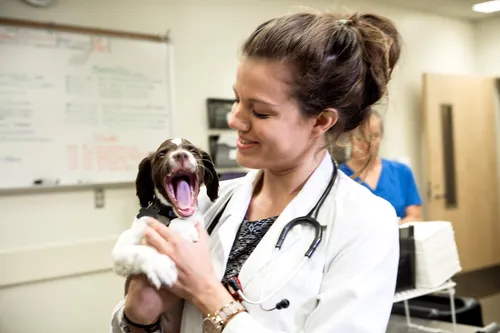
Managing veterinary expenses involves planning for both routine care and unexpected costs. I use a combination of insurance, preventive strategies, and wellness options to lessen my financial burden.
Pet Insurance Options
Pet insurance helps cover costs for accidents, illnesses, and sometimes wellness visits. Most plans include deductibles, annual limits, and co-pays. I compare coverage types, deductible options, and reimbursement rates before choosing a policy. Some major US insurers—like Nationwide, Trupanion, and Healthy Paws—cover both cats and dogs, with monthly premiums based on pet age, breed, and location.
| Insurance Provider | Average Monthly Premium (Dog) | Average Monthly Premium (Cat) | Accident & Illness Coverage | Wellness Coverage (Add-On) |
|---|---|---|---|---|
| Trupanion | $45 | $28 | Yes | No |
| Nationwide | $55 | $31 | Yes | Yes |
| Healthy Paws | $44 | $29 | Yes | No |
| Embrace | $39 | $24 | Yes | Yes |
I review what’s excluded from coverage, since pre-existing conditions often aren’t eligible. Policies with higher deductibles tend to offer lower monthly costs, though they increase my out-of-pocket expenses when I file a claim.
Preventive Care to Reduce Costs
Preventive care minimizes risks for costly vet visits. Regular exams, vaccinations, and dental cleanings help catch problems early. I schedule annual wellness visits, keep up with flea and tick prevention, and maintain my pet’s weight to avoid obesity-related issues.
| Preventive Service | Average Cost (USD) | Frequency | Example Procedures |
|---|---|---|---|
| Annual Exam | $50–$150 | Annually | Health check, physical exam |
| Core Vaccinations | $20–$60 per dose | 1–3 years | Rabies, distemper, parvo |
| Dental Cleaning | $150–$400 | 1–2 years | Scaling, polishing |
| Parasite Prevention | $40–$200/year | Monthly/Yearly | Heartworm, flea, tick meds |
By sticking to preventive care schedules, I decrease my pet’s risk for diseases that lead to expensive treatments. Preventive steps also help me spread out expenses over the year instead of facing unexpected large bills.
Conclusion
Staying informed about veterinary costs helps me make better choices for my pet’s health and my budget. With so many factors influencing prices I know it’s wise to research local clinics and ask about fees upfront before making an appointment.
By planning ahead and using preventive care I feel more prepared for both routine visits and unexpected emergencies. My goal is always to keep my pet healthy without being caught off guard by surprise expenses.
Frequently Asked Questions
- How much does a typical routine vet visit cost?
- Routine vet visits usually cost between $50 and $250, depending on your location, clinic type, and the size or species of your pet. This price typically covers a general exam and basic preventive care.
- Why do vet costs vary so much?
- Vet costs vary due to factors like geographic location, clinic type (corporate vs. independent), pet species, pet size, and the complexity of required services. Urban clinics usually charge more than rural ones, and larger pets or exotic species often cost more to treat.
- What are common costs for pet vaccinations?
- Core pet vaccinations generally cost between $20 and $60 per dose. Your total cost may be higher if additional vaccines or preventive treatments are recommended based on your pet’s lifestyle and health risks.
- How expensive are emergency vet visits?
- Emergency vet visits typically start around $100 to $600 for the exam alone. Costs can increase significantly if your pet needs diagnostics, hospitalization, or treatments, which may result in bills exceeding $1,000.
- What is pet insurance and how can it help with vet costs?
- Pet insurance helps cover veterinary expenses, including accidents, illnesses, and sometimes routine wellness visits. By paying a monthly premium, pet owners can reduce out-of-pocket costs for unexpected or expensive treatments.
- Are routine wellness visits worth the expense?
- Yes, routine wellness visits help detect health issues early and keep your pet up to date on vaccinations. Investing in preventive care typically reduces the risk and costs of serious health problems later.
- How can I budget for my pet’s veterinary care?
- To budget effectively, research average local vet costs, consider routine and emergency visits, factor in preventive care, and explore pet insurance options. Setting aside a monthly amount can help cover both expected and unforeseen expenses.
- Does the size or species of my pet affect vet costs?
- Yes, larger pets and exotic animals usually require more care or specialized knowledge, which means higher fees. Cats and small dogs may cost less than large dogs or rabbits, reptiles, and birds.
- Do corporate and independent clinics charge differently?
- Generally, corporate clinics have standardized pricing, while independent practices set their own fees. Price differences may also be influenced by the clinic’s location, overhead costs, and offered services.
- What other services commonly add to a vet bill?
- In addition to exams, common add-ons include lab work, x-rays, dental care, medications, and specialized diagnostics or treatments. Each service increases the overall bill, so it’s important to ask for estimates upfront.