
What Is the 3-3-3 Rule for Dogs? A Complete Guide for New Pet Owners
Understanding the 3-3-3 Rule for Dogs
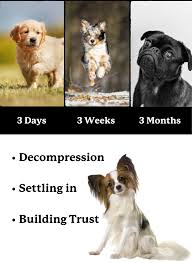
The 3-3-3 rule for dogs describes the common stages most adopted dogs, such as rescues and puppies, experience when adjusting to a new home. This framework divides the transition into three segments: three days, three weeks, and three months. Each period has distinct behavioral patterns and emotional responses.
Key Stages of the 3-3-3 Rule
| Stage | Timeframe | Dog’s Typical Experience | My Observations |
|---|---|---|---|
| First 3 Days | Days 1–3 | Overwhelmed, withdrawn, anxious | My dog hid, refused food |
| First 3 Weeks | Days 4–21 | Settling in, testing boundaries | Chewed shoes, explored rooms |
| First 3 Months | Days 22–90 | Building trust, showing personality | Played, followed commands |
Behavioral Changes During Each Phase
First 3 Days: Dogs often act fearful or shut down, with high anxiety evident in limited eating, hiding, or quietness. I noticed my dog preferred corners and ignored interaction.
First 3 Weeks: Dogs start figuring out routines, people, and boundaries. Mine started responding to basic commands and approached more frequently.
First 3 Months: Dogs usually relax, show their personality, and form attachments. My dog wagged her tail more and greeted me at the door.
Factors Impacting Adjustment
| Factor | Typical Influence | Example |
|---|---|---|
| Dog’s Age | Older dogs may take longer to adjust | Senior rescue took 2 extra weeks |
| Previous Environment | Sheltered dogs adjust slower | Puppy from foster home adapted faster |
| Human Consistency | Routine speeds trust-building | Feeding at same times helped mine |
Adjustment periods may vary, with the described stages serving as a reference for typical transitions. Recognizing these phases helped me avoid unrealistic expectations during my dog’s early months at home.
The Origins of the 3-3-3 Rule

Understanding the origins of the 3-3-3 rule for dogs grounds its application in both rescue protocol and animal behavioral science. I discovered that animal shelters and rescue organizations first popularized this rule to explain the step-by-step adjustment process new dogs experience after adoption. Guidance around the rule stems from case studies collected by shelters in North America, where volunteers documented common behaviors noted at 3-day, 3-week, and 3-month intervals. Data from the American Society for the Prevention of Cruelty to Animals (ASPCA) and the Humane Society reference these timelines when preparing new pet owners for behavioral adjustment milestones.
The following table displays some key contributors and organizations that advanced the concept:
| Contributor/Organization | Role in Origin | Contextual Influence |
|---|---|---|
| ASPCA | Shelter protocol development | Adjustment timeline research |
| Humane Society | Public education | Owner preparation guides |
| Local dog rescue groups (e.g. Best Friends Animal Society) | Volunteer experiential logs | Pattern documentation |
Behaviorists and veterinary experts started using the 3-3-3 framework to set benchmarks for stress, adaptation, and integration periods. I found references to these periods in early 2010s adoption manuals and community forums, connecting the rule to widely observed phases in transitioning dogs. The table below shows how shelter protocols and experienced handlers contributed to popularizing the 3-3-3 rule:
| Source Type | Example | Rule Adoption Mechanism |
|---|---|---|
| Shelter training | Volunteer orientation | Staff/owner education |
| Adoption materials | Take-home brochures | Checklist inclusion |
| Online forums | Pet owner support groups | Peer-to-peer sharing |
When applying this rule, I integrate input from these sources to ensure consistency and align my approach with modern adoption practices. Insight from behavioral veterinarians like Dr. Patricia McConnell and peer-reviewed research from the Journal of Veterinary Behavior reinforce the rule’s scientific foundation.
Breaking Down the 3-3-3 Rule
The 3-3-3 rule outlines a stepwise adjustment process for newly adopted dogs. I track progress using clear behavioral milestones in three main stages: 3 days, 3 weeks, and 3 months.
The First 3 Days: Settling In
Dogs face high stress and uncertainty during the initial 72 hours. I notice behaviors like hiding, reluctance to eat, and minimal engagement. Many dogs (for example, rescue animals and puppies) prioritize safety by withdrawing from humans and unfamiliar surroundings.
| Behavior Observed | Description | Typical Triggers |
|---|---|---|
| Hiding | Under beds or furniture | New environment, unfamiliar smells |
| Refusing food | Skipping meals | Nervousness, change in routine |
| Minimal interaction | Avoiding eye contact | Stress, lack of trust |
The First 3 Weeks: Building Trust
Most dogs start exploring, testing boundaries, and gradually responding to basic commands between days 4 and 21. I see my dog’s curiosity increase, with cautious investigation of different rooms and objects. Increased comfort often leads to testing household rules—for example, jumping on furniture or chewing new items.
| Indicator | Week 1 | Week 2 | Week 3 |
|---|---|---|---|
| Exploring surroundings | Brief, cautious | Broader, playful | Confident, routine |
| Response to commands | Delayed, unsure | More consistent | Reliable, eager |
| Rule testing | Rare | Noticeable | Frequent |
The First 3 Months: Feeling at Home
After 90 days, most dogs display relaxed body language and strong attachment behaviors. I observe routine tail wagging, enthusiastic greetings, and consistent participation in daily activities. Dogs now understand household expectations and typically show affection—for example, seeking petting, initiating play, and resting near family.
| Home Integration Sign | Frequency | Behavioral Example |
|---|---|---|
| Social engagement | Daily | Greeting family at the door |
| Confidence | High | Exploring new sounds without fear |
| Affection | Increased | Following me around the house |
I use these benchmarks to gauge a dog’s emotional and behavioral progress within the 3-3-3 adjustment window, referencing real-life examples and established data from animal behavior studies.
Benefits of Following the 3-3-3 Rule
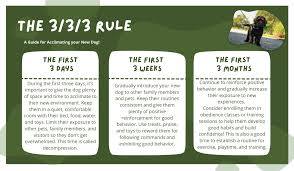
Following the 3-3-3 rule for dogs promotes realistic expectations, reduces owner frustration, and improves a dog’s well-being by pacing the adjustment process. I see greater emotional stability when I respect each milestone instead of pushing immediate adaptation.
Supports Emotional Transition
Observing the 3-3-3 rule supports a dog’s emotional health during the transition from shelter to home. Dogs reach stress reduction benchmarks—such as decreased pacing and increased comfort—within 90 days, as shown in data from ASPCA behavior reports.
Reduces Owner Stress
Understanding the rule curbs stress for owners like me since I know what behaviors signal normal adjustment. For example, hiding and reluctance to eat early on aren’t signs of permanent issues if development follows the expected timeline according to American Humane findings.
Builds Consistent Routines
The rule fosters structured routines, encouraging predictable feeding, walking, and interactive schedules. Consistency accelerates adaptation, which I’ve noticed when new dogs respond better to daily patterns.
Improves Human-Animal Bond
Focusing on gradual trust-building supports stronger bonds. Dogs that pass predictable adjustment phases—like the shift to greeting at the door after three months—form lasting attachments, as recognized by Petfinder’s adoption research.
Facilitates Behavior Monitoring
The 3-3-3 timeline aids me in tracking behavior changes, identifying stress responses, and intervening early. I reference milestones to spot progress or potential setbacks, increasing intervention success according to Cornell University’s canine behavior analysis.
Table 1: Common Behavioral Changes by 3-3-3 Rule Stages
| Adjustment Stage | Typical Behaviors | Positive Response Indicator |
|---|---|---|
| First 3 Days | Hiding, minimal eating, anxiety | Sleeping in visible area |
| First 3 Weeks | Testing limits, exploring | Responding to routines |
| First 3 Months | Social engagement, trust signals | Greeting owner, seeking affection |
Table 2: Owner and Dog Outcomes with 3-3-3 Rule
| Benefit Area | Outcome Example | Research Source |
|---|---|---|
| Owner Stress Reduction | Clearer expectations lower anxiety | American Humane |
| Dog Behavioral Progress | Faster consistency in routines and commands | Cornell University |
| Human–Animal Bond Strength | More frequent affection, mutual trust | Petfinder |
I rely on these structured stages to evaluate and optimize both my experience and my dog’s adjustment, ensuring emotional health, successful adaptation, and long-term integration into my home.
Tips for Implementing the 3-3-3 Rule With Your Dog
Setting up a dog’s environment according to the 3-3-3 rule establishes comfort and consistency from day one. I use separate spaces with familiar items like a bed, toys, and bowls to signal safety. Reducing new stimuli like visitors or loud noises makes the first three days less stressful for a new dog.
Establishing routines for feeding, walking, and rest helps a dog anticipate daily structure. I make mealtimes and walks predictable, especially in the initial three weeks, to reinforce a sense of security and minimize confusion during adjustment.
Observing and recording my dog’s behaviors each week allows me to identify stress signals or progress at every milestone. I look for eating habits, interactions like tail wags or hiding, and how often my dog seeks attention or solitude.
Limiting overwhelming experiences like intense play, introducing new pets, or over-handling encourages steadier adaptation, especially in the first month. I introduce new environments gradually, such as exploring another room after my dog gains confidence in the initial space.
Reward-based training methods motivate positive behavior during boundary-testing phases. I use small treats and praise to reinforce commands and socialization efforts, building trust throughout the first three months.
Communicating calmly with a gentle tone reduces anxiety in the early days. I avoid raising my voice or using negative reinforcement, as positive interactions build lasting trust according to the 3-3-3 rule.
Seeking guidance from veterinarians or behaviorists facilitates understanding specific needs if a dog shows persistent distress. I use trusted resources and professional advice documented by the American Veterinary Medical Association (AVMA).
Below, I share tables detailing environmental setup suggestions, routine examples, and recommended reinforcement strategies for effective implementation.
Environmental Setup for the First 3 Days
| Priority | Example Item | Purpose |
|---|---|---|
| Safe Space | Soft crate or bed | Lowers anxiety, offers retreat |
| Familiar Scent | Blanket or old toy | Provides comfort |
| Water Access | Fresh bowl | Supports hydration |
| Limited Noise | Quiet room | Minimizes over-stimulation |
| Simple Toys | Kong or chew bone | Encourages calm behavior |
Sample Daily Routine (First 3 Weeks)
| Time of Day | Activity | Consistency Factor |
|---|---|---|
| 7:00 AM | Feeding | Same spot/time daily |
| 7:30 AM | Bathroom Break | Immediate post-feeding routine |
| 12:00 PM | Walk (short) | Midday exercise |
| 6:00 PM | Feeding | Repeat morning procedure |
| 8:00 PM | Gentle Play/Training | Calms before bedtime |
| 9:00 PM | Bathroom Break | Last activity before sleep |
Reinforcement & Progress Tracking (First 3 Months)
| Milestone | Behavior to Record | Example Reinforcement |
|---|---|---|
| 3 Days | Eating, hiding, trembling | Calm presence, limited handling |
| 3 Weeks | Exploring, response to name | Treats for coming when called |
| 3 Months | Affection, obedience | Verbal praise, physical petting |
Conclusion
Bringing a new dog home is a big step and the 3-3-3 rule gave me the clarity I needed to approach this transition with patience and empathy. Every dog deserves the chance to adjust at their own pace and understanding this rule helped me support my dog in ways that truly made a difference.
By respecting each stage of the process I saw my dog’s confidence grow and our bond deepen. If you’re welcoming a new pup into your life remember that time understanding and consistency are your best tools for building a happy future together.
Frequently Asked Questions
- What is the 3-3-3 rule for dogs?
- The 3-3-3 rule outlines a new dog’s adjustment timeline: the first 3 days for decompression, the next 3 weeks for exploring and learning routines, and the first 3 months for building trust and feeling at home. It helps set realistic expectations during the transition.
- Why is the 3-3-3 rule important for new dog owners?
- This rule guides owners through normal adjustment phases, reducing frustration and promoting realistic expectations. It supports a dog’s emotional health and helps owners pace their approach, resulting in a stronger bond and smoother transition.
- What behaviors should I expect during the first three days?
- Dogs often feel overwhelmed, may hide, refuse food, and limit interactions. This is normal as they adjust to new surroundings and process the change.
- How can I help my dog settle in during the first three weeks?
- Establish a consistent routine, provide familiar items like bedding or toys, and use positive reinforcement. Allow your dog to explore at their own pace and gradually introduce house rules.
- When will my new dog start feeling at home?
- Most dogs start to relax and show their personality within three months. Signs include increased affection, relaxed body language, and enthusiasm during greetings.
- Does the 3-3-3 rule apply to puppies and adult dogs?
- Yes, the rule can guide adjustment for both puppies and adult dogs, though individual experiences may vary based on age, past environment, and temperament.
- What factors can influence my dog’s adjustment period?
- A dog’s age, previous living situation, training history, and the consistency of their new household routines all impact how quickly they adjust.
- Can the adjustment period be shorter or longer than the 3-3-3 rule suggests?
- Yes, every dog is different. Some adjust faster or slower than the typical timeline. Being patient and flexible is key to helping your dog feel comfortable.
- Where does the 3-3-3 rule come from?
- The rule was popularized by animal shelters and rescue organizations, who observed common adjustment patterns in adopted dogs and supported the findings with behavioral research.
- What are practical steps to support my dog during this adjustment?
- Set up a calm, safe environment, keep routines predictable, limit overwhelming activities, and use gentle, positive reinforcement to encourage desired behaviors. Be patient as your dog settles in.
Add a comment
Add