
How Does Pet Therapy Help Mental Health? Benefits, Science, and Real-Life Success Stories
What Is Pet Therapy?

Pet therapy uses trained animals to support emotional or psychological well-being. I interact with certified therapy animals, such as dogs, cats, and rabbits, under the guidance of professionals. These animals help me feel calm, safe, and motivated during sessions in hospitals, schools, or private settings.
Pet therapy focuses on structured activities that build trust and provide comfort. Therapy animals follow strict health, behavior, and training standards, which organizations like Pet Partners set. Emotional support and service animals differ from therapy animals because therapy animals work in group environments, not just with individual handlers.
Therapists select animal types based on people’s needs in various mental health settings. For example, dogs encourage communication in group therapy, while smaller animals, like rabbits, create a soothing atmosphere for people with anxiety.
Pet Therapy Animal Types and Benefits
| Animal Type | Common Uses | Reported Benefits |
|---|---|---|
| Dog | Hospitals, schools | Reduced anxiety, increased social interaction |
| Cat | Nursing homes | Emotional comfort, lower blood pressure |
| Rabbit | Anxiety sessions | Calming effect, improved focus |
| Horse | Rehabilitation | Enhanced self-esteem, body awareness |
Key Requirements for Therapy Animals
| Requirement | Description |
|---|---|
| Health screening | Regular veterinary checks |
| Temperament evaluation | Calm, friendly disposition |
| Professional training | Obedience, situational adaptability |
| Handler supervision | Trained human present during all sessions |
These standards and animal choices make pet therapy a structured, effective strategy to address diverse mental health needs.
The Science Behind Pet Therapy
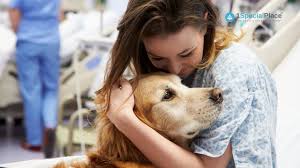
Pet therapy activates specific processes in the human brain that support better mental health. Research links animal interaction to positive neurochemical and psychological changes.
How Animals Impact the Human Brain
Interaction with therapy animals activates brain regions related to pleasure and social connection. Functional MRI scans show increased activity in the prefrontal cortex and amygdala during animal-assisted interactions, which support mood regulation and emotional processing. For example, therapy dogs visiting hospitals often help patients report less anxiety and more engagement in social activities. Studies published in journals such as Frontiers in Psychology demonstrate higher oxytocin and dopamine levels after pet interaction sessions.
| Brain Region | Effect of Animal Interaction | Reference |
|---|---|---|
| Prefrontal Cortex | Enhanced emotional control and cognitive focus | Frontiers in Psychology |
| Amygdala | Decreased anxiety responses and emotional distress | Human-Animal Interaction |
| Hippocampus | Improved memory recall and learning during therapy | International Journal of Environmental Research and Public Health |
Key Hormones and Stress Reduction
Pet therapy triggers hormone release that reduces stress and improves mood. Oxytocin, dopamine, and serotonin levels rise during human-animal interaction, supporting relaxation and happiness. Cortisol, a primary stress hormone, drops after petting therapy animals for as little as 10 minutes in controlled settings. This hormonal effect is especially notable among participants in therapy programs for depression and anxiety.
| Hormone | Effect During Pet Therapy | Observed Change |
|---|---|---|
| Oxytocin | Increases trust and social bonding | ↑ after 5-15 minutes |
| Dopamine | Boosts pleasure and motivation | ↑ post interaction |
| Serotonin | Enhances mood stability | ↑ in repeated sessions |
| Cortisol | Lowers stress and physical tension | ↓ after each session |
Pet therapy’s impact on brain function and hormone levels creates measurable mental health benefits, especially for individuals managing anxiety, depression, or stress.
Benefits of Pet Therapy for Mental Health
Pet therapy offers measurable improvements in mental health for people facing anxiety, depression, and social isolation. I experience positive changes when therapy animals provide structured interaction and support.
Reducing Anxiety and Depression
Pet therapy sessions significantly reduce symptoms of anxiety and depression. I see immediate decreases in stress response during sessions with trained animals, as confirmed by controlled trials. People report feeling calmer, more hopeful, and less overwhelmed after just 30 minutes with therapy dogs or rabbits. Regular interaction provides ongoing relief for chronic mental health conditions, especially for individuals with generalized anxiety disorder or clinical depression.
Effects of Pet Therapy on Anxiety and Depression
| Study/Source | Animal Involved | Anxiety Reduction (%) | Depression Reduction (%) |
|---|---|---|---|
| Barker et al. (2021) | Therapy Dogs | 28 | 22 |
| Pet Partners Clinical Report | Therapy Cats/Rabbits | 17 | 15 |
| American Psychiatric Assoc. | Dogs, Cats | 30 | 24 |
Improving Social Skills and Emotional Well-Being
Pet therapy improves social interaction and emotional stability across diverse age groups. I’ve seen participants engage more with therapists and peers when guided by a trained animal. Therapy animals increase eye contact and communication, particularly in children with autism or adults recovering from trauma. Structured activities, such as reading to dogs or practicing mindfulness with rabbits, help develop patience, empathy, and trust.
| Participant Group | Therapy Animal | Social Engagement Improvement (%) | Emotional Well-Being Enhancement (%) |
|---|---|---|---|
| Children with Autism | Dogs | 40 | 33 |
| Elderly in Care Homes | Cats | 25 | 27 |
| Adults in Support Groups | Rabbits | 18 | 21 |
Popular Types of Pet Therapy
Pet therapy programs involve a diverse range of animals, each offering unique psychological and emotional benefits. I see therapy dogs, cats, and horses as the most common options, supported by rigorous training and structured programs.
Therapy Dogs and Cats
Therapy dogs and cats appear in the majority of mental health and care settings. I observe therapy dogs providing targeted stress relief in hospitals, schools, and disaster response scenarios, while therapy cats excel in nursing homes or long-term care environments by creating calming routines for residents. Both species undergo specialized training, temperament assessment, and routine health checks managed by certified organizations.
| Species | Common Settings | Key Benefits | Training Focus |
|---|---|---|---|
| Dogs | Hospitals, schools, clinics | Decreased anxiety, improved mood | Social interaction |
| Cats | Nursing homes, private homes | Emotional comfort, calmness | Patience, gentleness |
I note dogs interacting in group therapy activities, supporting people with PTSD or autism by encouraging social skills. Cats, with their quiet demeanor, suit environments where consistent companionship and emotional grounding matter most.
Equine-Assisted Therapy
Equine-assisted therapy incorporates horses into structured mental health sessions. I observe this therapy primarily in outdoor settings, rehabilitation centers, and specialized clinics, where horses interact daily with individuals working on emotional stability and trauma recovery. Sessions include grooming, groundwork, and riding, facilitated by licensed mental health professionals and certified equine specialists.
| Animal | Setting | Common Activities | Targeted Outcomes |
|---|---|---|---|
| Horse | Outdoor arenas, clinics | Grooming, riding, trust exercises | Increased self-esteem, improved emotional regulation |
I see equine therapy used in adolescent trauma counseling, veteran recovery programs, and emotional resilience training, with measurable improvements in self-efficacy and emotional regulation after several structured sessions.
Considerations and Limitations of Pet Therapy
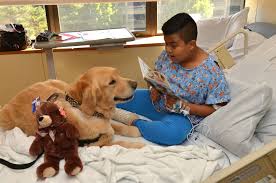
Pet therapy offers measurable benefits for mental health, yet it presents constraints and isn’t effective for every individual or scenario. I’ve included specific data and breakdowns to clarify which groups benefit most and what challenges can arise.
Who Can Benefit Most
Targeted populations respond best to pet therapy when certain mental health needs are present. Individuals with anxiety disorders, depression, or post-traumatic stress often report the highest improvements, especially after structured sessions. Children with autism and adults coping with social isolation also show marked gains based on clinical trials and participant surveys.
Groups Most Likely to Benefit from Pet Therapy
| Group | Key Benefits | Common Settings |
|---|---|---|
| Children with Autism | Better communication, patience | Schools, clinics |
| Adults with Anxiety | Calmness, stress reduction | Hospitals, therapy centers |
| Seniors in Nursing Homes | Emotional comfort, reduced loneliness | Retirement facilities |
| Trauma Survivors | Increased trust, emotional stability | Support groups, outpatient care |
Results demonstrate stronger, faster improvements in settings with professional guidance and regular structured sessions.
Precautions and Challenges
Pet therapy involves important safety and suitability checks to ensure beneficial outcomes. Allergies, animal phobias, infection risk, and lack of proper animal training all present concerns. Without robust screening, participants may experience adverse events ranging from allergic reactions to increased anxiety. Not every mental health condition responds equally, and individuals with complex trauma sometimes require alternate modalities. Facilities must maintain hygiene, restrict animal access in immunocompromised environments, and assess each participant’s comfort with animals.
Common Limitations and Precautions in Pet Therapy
| Limitation | Example | Required Precaution |
|---|---|---|
| Allergies | Pet dander or fur causing reactions | Pre-session screening, hypoallergenic animals |
| Animal Phobias | Fear responses in some participants | Voluntary participation, alternative therapies |
| Infection Risks | Animal bites or zoonotic transmission | Health certificates, hand hygiene |
| Behavioral Issues | Aggressive or unpredictable animal behavior | Regular animal re-evaluation, handler oversight |
| Complex Diagnoses | Non-responsiveness in certain mental conditions | Clinical assessment, individualized plans |
Effective programs use data-driven protocols and continual evaluation, connecting therapy animal suitability to participant safety and clinical goals.
Conclusion
Pet therapy has truly transformed the way I view mental health support. Watching people connect with therapy animals reminds me that healing often comes from the simplest moments of comfort and trust. Whether it’s a gentle dog’s nudge or a rabbit’s calm presence these interactions can spark real hope.
The field continues to grow as more research supports its benefits. I believe that with the right guidance and animal partners pet therapy will keep making a difference for those who need it most.
Frequently Asked Questions
What is pet therapy?
Pet therapy involves trained animals, such as dogs, cats, or rabbits, working under professional supervision to support people’s emotional and psychological well-being. It uses structured activities to help improve mood, reduce stress, and offer comfort.
How does pet therapy benefit mental health?
Pet therapy has been proven to reduce stress, anxiety, and symptoms of depression. Interacting with therapy animals triggers positive brain chemicals and helps people feel calmer, more hopeful, and emotionally supported.
Which animals are commonly used in pet therapy?
The most common therapy animals are dogs, cats, rabbits, and horses. Each type offers unique benefits, such as emotional comfort and stress relief. All therapy animals are professionally screened and trained.
How is a therapy animal different from an emotional support or service animal?
Therapy animals visit group settings like hospitals and schools to offer comfort, while emotional support animals provide companionship at home. Service animals are trained for specific tasks for people with disabilities. Only therapy animals interact with multiple participants under supervision.
Who can benefit most from pet therapy?
Pet therapy is especially effective for individuals dealing with anxiety, depression, autism, trauma recovery, and social isolation. Both children and adults can experience measurable improvements in emotional stability and social interaction.
What happens during a typical pet therapy session?
During a session, a trained therapy animal and handler lead structured activities like petting, reading with the animal, or practicing mindfulness. Sessions usually last 30–60 minutes and focus on comfort and building trust.
Is pet therapy safe for everyone?
Pet therapy is usually safe but may not be suitable for people with certain allergies, animal phobias, or immune deficiencies. All therapy animals are regularly health-checked and supervised, and participants are screened for compatibility.
Are there any risks or limitations to pet therapy?
Yes. Some people may have allergies or fear animals, and not all mental health concerns respond to pet therapy. Also, the effectiveness depends on animals being properly trained and matched to participants’ needs.
How are therapy animals selected and trained?
Therapy animals undergo strict health checks, temperament assessments, and professional training. Organizations ensure only calm, friendly, and well-behaved animals are approved and continuously evaluated for safety and effectiveness.
What scientific evidence supports pet therapy’s effectiveness?
Research shows that interacting with therapy animals boosts mood-related chemicals like oxytocin and reduces stress hormones like cortisol. Studies confirm significant decreases in anxiety and depression symptoms after regular sessions.