
What Are the Red Flags in a Pet Sitter? Top Warning Signs Every Pet Owner Should Know
Understanding The Importance Of Choosing The Right Pet Sitter7

Selecting the right pet sitter directly affects my pet’s safety, comfort, and routine. Reliable pet sitters maintain consistent feeding, exercise, and medication schedules. Responsible sitters handle emergencies quickly, report changes in behavior, and provide regular updates.
Selecting an inexperienced or inattentive pet sitter creates risks for my pet’s health and well-being. Neglected pets frequently develop anxiety, miss critical medications, or experience accidents. Unreliable sitters often fail to notice symptoms such as vomiting, lethargy, or refusal to eat, leading over 22% of minor pet illnesses to escalate to emergencies according to Pet Sitters International’s 2023 survey.
Trustworthy sitters use clear communication channels like text, photos, or videos. I prioritize those with verified references, certifications, and background checks. Reliable pet sitters adapt care routines to meet unique needs for specific breeds or medical conditions.
Comparing Key Qualities in Pet Sitters
| Quality | Reliable Sitter Example | Red Flag Sitter Example |
|---|---|---|
| Responsiveness | Replies within an hour | Delayed or no response |
| References | Several recent references | No references provided |
| Care Documentation | Daily notes and photos | No updates shared |
| Handling Emergencies | Describes specific protocols | Vague about procedures |
| Experience | Has certifications, years’ experience | Unclear or no experience |
Major Risks With The Wrong Pet Sitter
| Risk | Context Example |
|---|---|
| Missed Medications | Chronic illness management |
| Injury or Accident | Inadequate supervision |
| Behavioral Decline | Inconsistent routines |
| Anxiety and Stress | Lack of companionship |
| Property Damage | Neglecting home rules |
Choosing the right pet sitter centers on protection, comfort, and communication. When I vet candidates using references, certifications, and real-time communication, I increase my pet’s safety and my peace of mind.
What Are The Red Flags In A Pet Sitter?

I recognize several pet sitter red flags that consistently indicate risks for my pet’s safety and well-being. Noticing these early helps me avoid unreliable options and maintain confidence in any pet care arrangement.
Lack Of Professionalism
Lack of professionalism signals a red flag in a pet sitter’s conduct. Frequent lateness, careless attire during interviews, or dismissive attitudes toward questions are clear examples. Unprofessional behavior increases the likelihood of care mistakes or disregard for pet needs.
| Professionalism Indicator | Reliable Sitter Example | Red Flag Example |
|---|---|---|
| Punctuality | Arrives 5-10 min early | Frequently late/forgets |
| Preparedness | Brings checklist, notes pet info | Lacks supplies/forgets info |
| Attitude | Courteous, attentive | Appears rushed, distracted |
Poor Communication Skills
Poor communication skills from a pet sitter undermine trust and clarity. Delays in responding to calls or texts or vague answers about routines indicate this problem. Effective sitters answer promptly and provide clear, direct feedback.
| Communication Criteria | Positive Example | Red Flag Example |
|---|---|---|
| Response Time | Replies within 1 hour | Ignores for a day |
| Message Clarity | Details instructions | Sends generic replies |
Absence Of References Or Background Checks
Absence of references or background checks poses a direct safety risk. If a pet sitter can’t provide at least two recent, verifiable references, or avoids questions about background screening, I consider that a major warning. Verified history demonstrates reliability.
Unwillingness To Follow Instructions
Unwillingness to follow instructions leads to compromised pet routines. Sitters who resist written feeding or medication steps or question established routines introduce inconsistency, making my pet vulnerable to health or behavioral issues.
| Instruction Area | Reliable Example | Red Flag Example |
|---|---|---|
| Medication Dosing | Follows vet dosage chart | Changes without approval |
| Feeding Schedule | Uses written meal plan | Ignores dietary restrictions |
| Exercise Routine | Follows prescribed activities | Skips or alters routines |
Negative Online Reviews Or Reputation
Negative online reviews or poor word-of-mouth indicate widespread pattern issues. Less than 3-star ratings or frequent complaints—such as unreliable attendance, lost keys, or failed health checks—signal repeated problems confirmed by other pet owners.
| Review Aspect | Value Considered Red Flag |
|---|---|
| Overall Rating | Below 3 out of 5 |
| Number of Complaints | More than 2 per recent year |
Overpromising And Under Delivering
Overpromising and under delivering describes sitters claiming skills or availability they can’t sustain. If a sitter guarantees 24/7 availability, multiple simultaneous jobs, or extra services at little cost, then repeatedly fails to meet these promises, I treat this as a serious red flag since reliability becomes unverifiable.
How To Avoid Pet Sitter Red Flags
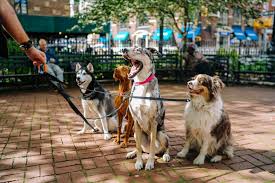
I check for red flags by asking the right questions and verifying every detail. Consistent screening processes reduce risks from unreliable sitters and ensure my pet gets high-quality care.
Questions To Ask During The Interview
I use specific interview questions to spot potential issues before choosing a sitter. Each question helps me evaluate trust, professionalism, and attention to my pet’s routine.
| Interview Question | Purpose | Red Flag Example |
|---|---|---|
| How do you handle medication schedules? | Checks reliability and experience | Unclear answers or avoidance |
| Can you share references from past clients? | Confirms experience and trustworthiness | Refusal or missing references |
| What’s your protocol for emergencies? | Assesses preparedness for urgent situations | No clear plan or vague response |
| How do you update owners during care? | Evaluates communication habits | Overpromising communication, no method |
| Are you comfortable with my pet’s routine? | Checks willingness to follow instructions | Dismissive or resistant attitude |
Tips For Verifying Credentials And Experience
I reduce risks by checking the sitter’s backgrounds and confirming their experience. Reliable verification covers certification, references, and online presence.
| Credential Or Experience | How I Verify | Red Flag To Note |
|---|---|---|
| Certification (e.g., CPR, first aid) | Ask for copies; verify with issuer | No documentation or excuses |
| References from previous clients | Call or email each reference | Generic or negative feedback |
| Background check reports | Request official documentation | Hesitation to share or refusal |
| Online profiles and reviews | Check multiple platforms | Consistent negative or fake reviews |
| Years of pet care experience | Ask for details and examples | Inconsistent stories or exaggeration |
I use these steps and tools to confirm a sitter’s professionalism and reliability before making a final decision.
Conclusion
Choosing a pet sitter is never something I take lightly. My pet’s safety and happiness always come first so I pay close attention to any warning signs before making a decision. Trusting my instincts and doing a little extra research has saved me from a lot of stress and worry.
I know that being proactive and careful about who I let care for my pet makes all the difference. With the right approach I can leave home with confidence knowing my pet is in good hands.
Frequently Asked Questions
What are common red flags when choosing a pet sitter?
Common red flags include lack of professionalism, poor communication, no verifiable references, reluctance to follow instructions, negative online reviews, and overpromising without delivering. Always trust your instincts if something feels off.
Why is it important to vet a pet sitter thoroughly?
Vetting ensures your pet’s safety and well-being. An unreliable sitter can miss medications, disrupt routines, or cause behavioral issues. Thorough checks help avoid health risks and give you peace of mind when you’re away.
What qualities should I look for in a reliable pet sitter?
Look for clear communication, verified references, prompt responses, willingness to follow your instructions, and proven experience. Certifications and positive reviews are additional indicators of professionalism and trustworthiness.
How can I verify a pet sitter’s credentials?
Ask for references, check background history, read online reviews, and verify any certifications. It’s also helpful to interview the sitter and ask about their experience with pets similar to yours.
Which interview questions help identify a trustworthy pet sitter?
Ask how they handle medication schedules, manage emergencies, communicate updates, and follow your pet’s routine. Also request references and details about their previous pet-sitting experiences.
What risks do unreliable pet sitters pose to my pet?
Unreliable sitters may neglect feeding, miss medications, ignore routines, or fail to respond to emergencies. This can lead to stress, behavioral issues, illness, or even injury for your pet.
How does proper pet sitting benefit my pet?
A responsible sitter keeps your pet’s routine consistent, provides companionship, and responds quickly to health issues. This reduces stress for your pet and helps maintain both physical and emotional well-being.