
What Does a Cat Wellness Exam Include? Key Components, Tests, and How to Prepare
Understanding Cat Wellness Exams
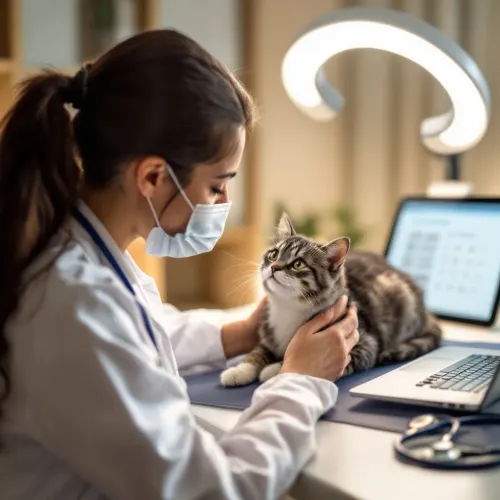
A cat wellness exam consists of a detailed review of a cat’s health status during a scheduled veterinary visit. I prioritize these checkups to monitor vital health indicators and uncover subtle changes. Veterinarians use evidence-based guidelines from the American Animal Hospital Association (AAHA) and American Association of Feline Practitioners (AAFP) to outline essential checks for every exam.
Typical Components of a Cat Wellness Exam
| Component | Purpose | Example Procedures |
|---|---|---|
| Physical Exam | Detect physical abnormalities | Palpating abdomen, auscultating heart |
| Medical History | Track health events and risk factors | Discussing appetite, behavior |
| Vaccination Review | Update necessary immunizations | Rabies, FVRCP boosters |
| Parasite Screening | Identify internal/external parasites | Fecal exam, flea/tick check |
| Weight & Nutrition | Monitor body weight and condition | Weighing, diet counseling |
| Lab Testing | Screen for hidden disease | Blood work, urinalysis |
| Dental Assessment | Check for oral health problems | Inspecting teeth, gums |
A veterinarian evaluates vital signs, including temperature, heart rate, respiratory rate, and weights each visit. I observe that labs and screenings might be recommended based on the cat’s age or prior medical history. For example, senior cats (over 7 years old) often need more frequent blood panels for early detection of chronic disease.
Age-Specific Recommendations for Wellness Exams
| Cat Age Category | Recommended Frequency | Example Additions to Exam |
|---|---|---|
| Kitten (<1 year) | Every 3–4 weeks | Initial vaccines, microchipping |
| Adult (1–6 years) | Annually | Baseline bloodwork, lifestyle review |
| Senior (7+ years) | Every 6 months | Thyroid screening, arthritis check |
The wellness exam covers preventive care, with tailored recommendations guided by a cat’s age, lifestyle, and prior health records. I prepare questions regarding behavior changes or physical symptoms before exams to ensure comprehensive coverage of my cat’s needs.
Key Components of a Cat Wellness Exam
A cat wellness exam covers core areas crucial to feline health and longevity. I prioritize each component since evidence-based recommendations from AAHA and AAFP guide veterinarians through these assessments.
Physical Examination
A physical examination checks my cat’s major body systems for abnormalities. Veterinarians assess the eyes, ears, mouth, heart, lungs, abdomen, skin, and musculoskeletal condition. I notice they check lymph nodes, palpate organs, listen for heart murmurs or abnormal lung sounds, and look for skin or coat changes. Examiners use palpation, auscultation, and visual inspection during this step.
| System | Exam Method | Examples of Issues Checked |
|---|---|---|
| Eyes/Ears | Visual, otoscope | Discharge, redness, mites |
| Heart/Lungs | Auscultation | Murmurs, arrhythmia, wheezing |
| Abdomen | Palpation | Masses, pain, organ size |
| Skin/Coat | Visual, tactile | Parasites, lesions, dull fur |
Vaccination Review and Updates
A vaccination review confirms my cat’s immunization status using current feline guidelines. Veterinarians check core and non-core vaccine records, update required boosters, and discuss risks by age or lifestyle. Example vaccines include rabies, feline viral rhinotracheitis, feline calicivirus, and panleukopenia, with non-core options for FeLV or Bordetella in at-risk cats.
| Vaccine Category | Example Vaccines | Booster Interval |
|---|---|---|
| Core | Rabies, FVRCP | 1–3 years |
| Non-core | FeLV, Bordetella | Annual or as indicated |
Parasite Prevention and Control
A parasite prevention check covers both internal and external threats. My veterinarian reviews deworming records and flea, tick, and heartworm prevention status, especially for cats with outdoor access or multi-pet homes. Fecal exams and blood tests identify hidden infections, for instance with roundworms, hookworms, or heartworms.
| Parasite Type | Test/Prevention | Example Product/Screen |
|---|---|---|
| Internal | Fecal, blood test | Dewormers, heartworm meds |
| External | Physical check | Flea/tick preventives |
Nutritional Assessment
Nutritional assessment measures my cat’s weight, body condition score (BCS), and diet quality. Veterinarians analyze diet type, feeding frequency, and caloric intake, noting trends from previous visits. They suggest tailored nutrition strategies for weight management, food allergies, or chronic disease support.
| Assessment Aspect | Evaluation | Example Outcome |
|---|---|---|
| Weight/BCS | Scale/visual exam | Underweight, ideal, obese |
| Diet Review | Owner input | Suitable/unsuitable diet |
Dental Health Evaluation
Dental health evaluation identifies plaque, tartar, gingivitis, and broken teeth. My veterinarian lifts my cat’s lips to examine gums and teeth, estimates dental disease stage, and advises on cleanings if significant buildup or oral pain exists.
| Dental Issue | Exam Finding | Recommended Action |
|---|---|---|
| Tartar | Yellow/brown buildup | Professional cleaning |
| Gingivitis | Red/swollen gums | Home or vet intervention |
| Fractured Tooth | Visible crack | Extraction or treatment |
Behavioral and Lifestyle Discussion
Behavioral and lifestyle review contextualizes health findings by addressing changes in activity, aggression, litter box use, or appetite. My veterinarian asks targeted questions about any recent adjustments at home or new pets. Collective analysis of behaviors and lifestyle helps customize preventive care for indoor, outdoor, or senior cats.
| Topic | Example Question | Related Adjustment |
|---|---|---|
| Activity Change | Is my cat less playful? | More interactive play |
| Litter Box Use | Any accidents outside the box? | Check for medical issue |
| New Pets | Introduced new animal? | Guidance on introductions |
Additional Tests and Screenings
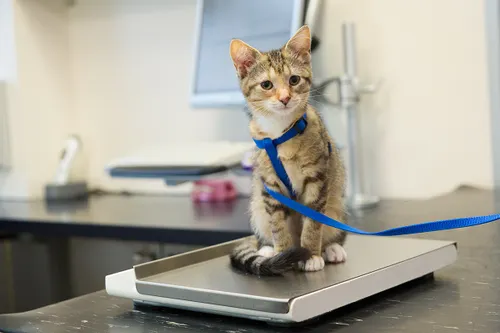
Additional tests and screenings help my veterinarian detect hidden issues that might not surface during a standard physical exam. These procedures offer data for a more comprehensive view of my cat’s health, especially when age or symptoms raise concerns.
Laboratory Testing
Laboratory testing in a cat wellness exam gives details about internal organ function and helps catch diseases early. My veterinarian may request specific tests based on my cat’s age, health status, or abnormal findings.
| Test Type | What It Screens For | Contextual Use (Examples) |
|---|---|---|
| CBC (Complete Blood Count) | Infections, anemia, immune disorders | Kittens with fever, seniors with lethargy |
| Biochemistry Profile | Kidney, liver, pancreas, electrolytes | Cats with weight loss, vomiting |
| Thyroid Panel | Hyperthyroidism, hormone imbalances | Seniors with appetite changes |
| FIV/FeLV Testing | Feline immunodeficiency, leukemia | Outdoor cats, rescue adoptions |
| Urinalysis | Renal disease, urinary tract infection | Cats showing frequent urination |
Test panels provide baseline values for healthy cats or guide decisions about further procedures if abnormalities appear.
Diagnostic Imaging
Diagnostic imaging enables my veterinarian to visualize the inside of my cat’s body without surgery. These methods confirm suspicions found during a physical exam or bloodwork and clarify underlying causes of illness.
| Imaging Type | Purpose | Contextual Use (Examples) |
|---|---|---|
| X-rays (Radiographs) | Bone integrity, heart, lungs, abdomen | Detecting fractures, tumors, heart size |
| Ultrasound | Soft tissue assessment, organs | Abdominal pain, suspected masses |
| Echocardiogram | Heart function | Murmurs, senior heart screening |
Diagnostic images help confirm disease location, monitor chronic illness, or rule out specific conditions if unexplained symptoms persist.
Combining laboratory testing and diagnostic imaging, my veterinarian gains a complete profile of my cat’s wellness and personalizes recommendations for ongoing care.
How to Prepare for Your Cat’s Wellness Exam
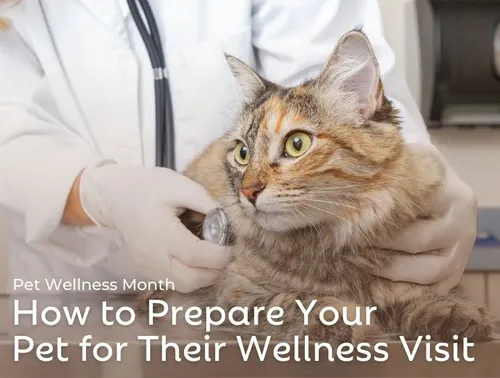
Preparation steps help streamline my cat’s wellness exam and ensure veterinarians have key information for a thorough evaluation.
Checklist of Items to Bring
I always gather these essentials before the visit:
| Item | Example/Details |
|---|---|
| Previous medical records | Lab reports, vaccination cards |
| Stool sample (if requested) | Fresh, collected within 24 hours |
| List of medications/supplements | Flea preventives, pain relievers |
| Food and treat information | Brand names, daily feeding amounts |
| Notes on recent behavior changes | Aggression, hiding, vocalization |
Observations Ahead of the Visit
Monitoring my cat in the days leading up to the exam allows me to report accurate information.
- Appetite and water intake: Increased or decreased consumption patterns
- Litter box use: Frequency of urination or defecation, litter consistency
- Behavior: Changes like hiding, vocalizing, or altered play routines
- Mobility: Reluctance to jump, limping, or signs of pain
Cat Handling and Transportation
I acclimate my cat to the carrier several days before the appointment.
| Preparation Step | Purpose |
|---|---|
| Leave carrier out | Reduces stress, encourages exploration |
| Place familiar bedding | Offers scent comfort |
| Use calming sprays | Eases anxiety during transport |
| Plan secure transport | Minimizes movement inside the vehicle |
Questions for the Veterinarian
I compile a list of focused questions relating to my cat’s health, derived from AAHA and AAFP recommendations.
- Vaccination updates: “Are there new vaccines recommended for my area?”
- Dietary needs: “Is my cat’s weight appropriate for its age and breed?”
- Preventive care: “Are new parasite risks present this season?”
- Screening frequency: “How often should my senior cat receive blood work?”
Appointment Day Expectations
On the day of the exam, I keep my cat indoors, withdraw food a few hours before (unless instructed otherwise), and bring all documentation.
Efficient preparation reduces my cat’s stress and helps veterinarians address health needs promptly and precisely.
Conclusion
Taking my cat for regular wellness exams isn’t just about ticking a box—it’s about giving my pet the healthiest and happiest life possible. By staying proactive and working closely with my veterinarian I can catch issues early and tailor care to my cat’s unique needs.
Every visit gives me peace of mind and helps me feel confident that I’m doing everything I can for my cat’s well-being. Investing in these exams means I’m investing in more happy years together.
Frequently Asked Questions
Why are regular wellness exams important for cats?
Regular wellness exams help detect health issues early, monitor your cat’s overall well-being, and ensure they are up-to-date on vaccinations and preventive care. These visits provide peace of mind and can lead to longer, healthier lives for your cat.
What happens during a cat wellness exam?
During a cat wellness exam, the veterinarian reviews your cat’s medical history, performs a physical checkup, updates vaccinations, screens for parasites, assesses weight and nutrition, evaluates dental health, and may recommend lab tests based on age or health status.
How often should my cat have a wellness exam?
Kittens should visit the vet every 3–4 weeks, adult cats should go annually, and senior cats (usually age 7 and up) are recommended to have wellness exams every 6 months, or as advised by your veterinarian.
What laboratory tests might be done during a wellness exam?
Common lab tests include a complete blood count (CBC), biochemistry profile, thyroid panel, FIV/FeLV testing, and urinalysis. Test recommendations depend on your cat’s age, medical history, and risk factors.
Why is dental health checked during a cat’s wellness exam?
Dental health is checked because issues like tartar, gum disease, and tooth decay are common in cats and can lead to pain or more serious health problems if left untreated.
What should I bring to my cat’s wellness exam?
Bring your cat’s medical records, a list of medications, a stool sample (if requested), and notes on recent behavior or appetite changes. This helps your vet provide comprehensive care.
How can I prepare my cat for a vet visit?
Acclimate your cat to its carrier, plan a secure and calm trip, monitor its health for a few days before the visit, and withhold food if your veterinarian requests it. Gathering all required documentation in advance helps ensure an efficient exam.
What is diagnostic imaging and why might my cat need it?
Diagnostic imaging includes X-rays, ultrasounds, or echocardiograms. These tools allow vets to look inside your cat’s body without surgery, helping diagnose hidden issues and guiding treatment plans.
Are wellness exams different for kittens, adults, and senior cats?
Yes, kittens require more frequent exams for vaccinations and growth tracking, adults usually need annual checkups, and seniors need more frequent visits and additional screenings to monitor age-related health issues.
What questions should I ask my vet during a wellness exam?
You should ask about your cat’s vaccination schedule, dietary needs, preventive care, signs of illness to watch for, and how often to return for future exams or screening tests.