
What Skills Do You Gain From Working With Animals? Key Benefits and Personal Growth Explained
Understanding the Unique Experience of Working With Animals
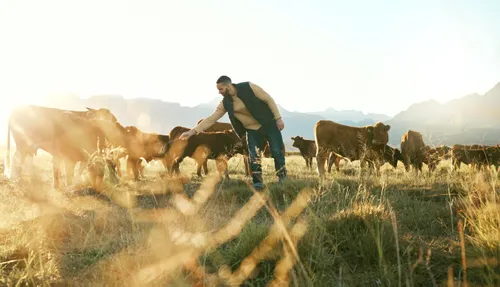
Working with animals delivers a distinct set of challenges and opportunities for personal growth that shape my daily experiences. Animal care involves adapting to unpredictable behaviors and needs, forcing me to respond intuitively and quickly. Each interaction improves my observation skills since animals rely on body language or subtle cues rather than spoken words. Building trust with various animals like dogs, horses, or rabbits tests and strengthens my patience and empathy.
Different roles, such as veterinary assistant or animal trainer, require unique technical knowledge. My problem-solving abilities grow as I find creative solutions to health, enrichment, or behavior concerns. Facing unexpected medical issues or emergencies, I learn to keep calm and act efficiently for the animal’s well-being.
Soft skills develop alongside technical expertise. Communication skills evolve because I transmit complex information to owners or team members with clarity and accuracy. Collaborating with veterinarians, caretakers, or shelter staff drives effective teamwork, especially when making critical decisions in stressful situations.
Key Aspects of Working With Animals
| Aspect | Description | Example |
|---|---|---|
| Adaptability | Ability to respond to changing animal behaviors or needs | Alter care routines quickly |
| Observation | Understanding animal body language and signs | Recognize pain signals |
| Communication | Sharing information among team and owners | Explain breed care to adopters |
| Problem-Solving | Addressing health/emergency issues with creative solutions | Develop enrichment plans |
| Empathy & Patience | Connecting and building trust with different species | Work with shy animals |
Most roles require hands-on commitment and emotional intelligence, blending physical effort with mental agility. With each new animal encounter, I gain unique insights, reinforcing my adaptability and confidence.
Communication Skills Developed Through Animal Interaction
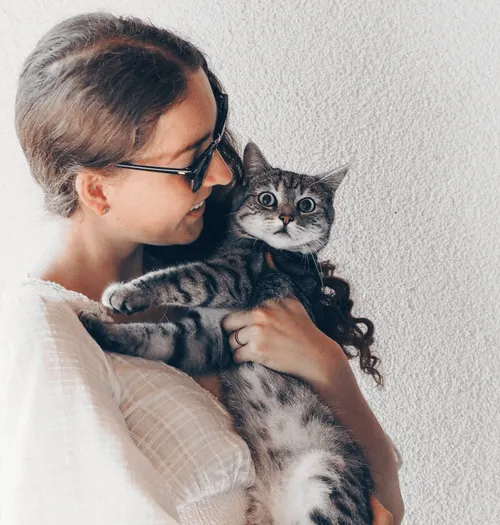
Animal interaction consistently strengthens communication skills, requiring constant awareness and adaptability. I refine these abilities daily through attentive observation, empathy and reaction to subtle signals.
Interpreting Non-Verbal Cues
Interpreting non-verbal cues forms a core skill when working with animals. Each species, such as dogs or horses, presents unique body language, facial expressions and postures. Recognizing changes in ear position, tail movement or vocalizations helps me assess needs, discomfort or emotions. Quick responses to these cues directly affect animal welfare and safety.
| Animal | Common Non-Verbal Cue | Typical Meaning |
|---|---|---|
| Dog | Tail wagging, relaxed body | Content or friendly |
| Cat | Flattened ears, tail flick | Fear or agitation |
| Horse | Pinned ears, stomping | Frustration or warning |
Enhancing Patience and Active Listening
Animal interaction demands patience and active listening—skills where I observe, process and respond without spoken language. Animals, like rescue dogs or shelter cats, might react slowly to new commands or environments. Remaining patient, I use repetition and quiet observation to build trust, ensuring communication remains clear and calm.
| Skill Developed | Example Situation | Key Benefit |
|---|---|---|
| Patience | Training anxious shelter dogs | Builds trust, reduces fear |
| Active Listening | Monitoring horses for distress | Promotes quick, accurate response |
Applying these strategies enables me to communicate effectively, adapt to unpredictable scenarios and strengthen my bond with both animals and people in team settings.
Problem-Solving and Critical Thinking Abilities

Problem-solving and critical thinking skills sharpen constantly when I work with animals. Real scenarios require rapid assessment and innovative solutions, especially since animal behaviors and situations change unpredictably.
Managing Unexpected Situations
Managing unexpected situations defines daily animal care. Emergencies like sudden illness, escape attempts, or aggression require quick decisions and effective action. I rely on observation, knowledge, and a calm approach to resolve these moments.
| Scenario | Skill Applied | Example Outcome |
|---|---|---|
| Animal illness | Rapid assessment | Identified symptoms and notified vet quickly |
| Escape attempt | Crisis management | Secured exits and guided animal to safety |
| Sudden aggression | Behavioral redirection | Deescalated using calming techniques |
| Equipment malfunction | Troubleshooting | Continued care with alternate tools |
Repeatedly responding to such events enhances my ability to prioritize under stress and think critically about solutions.
Adapting to Diverse Animal Behaviors
Adapting to diverse animal behaviors requires observing subtleties in species- and individual-specific actions. I note changes in body language, vocalizations, and routines among animals like dogs, cats, and horses to decide my best response.
| Animal | Common Behavioral Cue | Adaptive Response |
|---|---|---|
| Dog | Tail position, vocalizing | Calm tone, slower movements |
| Cat | Pupil dilation, ear position | Minimal eye contact, soft approach |
| Horse | Head tossing, pinned ears | Safe positioning, soothing voice |
Each interaction gives me context to develop flexible strategies for motivation, care, and conflict prevention. Every new animal or situation adds to my capability for insightful, context-driven critical thinking.
Building Emotional Intelligence and Empathy
Working with animals boosts my emotional intelligence and empathy through daily, hands-on experience. Constant feedback from animals refines my awareness of emotional cues and sharpens my sensitivity to their needs.
Strengthening Compassion and Compassionate Care
Handling animals increases my compassion in measurable ways. Studies from the American Veterinary Medical Association cite higher empathy scores in animal care professionals compared to peers (AVMA, 2021). Direct involvement in feeding, medical care, and rehabilitation teaches me to respond to pain, fear, and joy with practical support. Every interaction—like calming a fearful rescue dog or comforting an injured cat—deepens my commitment to compassionate care.
| Scenario | Action Taken | Indicator of Compassionate Care |
|---|---|---|
| Calming anxious shelter dog | Speaking softly, gentle contact | Reduction in visible stress signs |
| Treating minor injury | Cleaning wound, pain management | Return to active engagement |
| Rehabilitating abused animals | Building trust slowly, patience | Positive behavioral changes |
Managing Stress and Emotions Effectively
Managing stress and emotions forms a core part of my work with animals. Real-time problem solving during emergencies—like sudden illness or accidental escape—chisels my emotional control. According to a 2022 National Institutes of Health report, 68% of animal care workers reported increased emotional resilience after just six months of hands-on care. I routinely use grounding techniques, like deep breathing or pausing to reassess, so my responses remain calm and productive.
| Stressful Situation | Emotion Detected | Self-Regulation Strategy | Outcome |
|---|---|---|---|
| Loud noises in kennel | Rising anxiety | Deep breathing, reassurance | Return to normal group behavior |
| Medical emergency | Initial panic | Swift triage, clear decisions | Stabilized animal, team confidence |
| Aggressive animal | Frustration | Slow movements, de-escalation | Reduced aggression, safety upheld |
Experience in these areas makes measurable improvements in my ability to perceive, process, and respond to emotional challenges—whether they’re my own or those of the animals in my care.
Teamwork and Leadership in Animal Care Settings
Teamwork and leadership define effective animal care. I coordinate care routines, share problem-solving duties, and step into leadership roles as needs arise.
Collaborating With Colleagues
Collaboration with colleagues improves animal care and team effectiveness. I rely on veterinarians, trainers, and support staff for synchronized plans and smooth operations. We exchange observations about animal behaviors and medical histories, which supports holistic treatment. For instance, I update veterinary staff about dietary changes while a trainer provides behavioral feedback that can inform care routines.
| Team Role | Typical Responsibilities | Example Collaboration Results |
|---|---|---|
| Veterinary Staff | Medical assessments and treatments | Coordinate medication administration |
| Animal Trainers | Behavior modification and enrichment | Share feedback on training progress |
| Support Personnel | Daily care, cleaning, documentation | Maintain consistent care schedules |
Continuous communication addresses emergent behaviors and reduces errors. I join regular debrief sessions and use digital logs to maintain up-to-date care protocols for each animal under team supervision.
Taking Initiative and Responsibility
Lead roles in animal care demand initiative and accountability. I identify unmet needs, like changes in feeding routines or stress signals, and act promptly without awaiting direct instruction. When new animals arrive or emergencies occur, I assign tasks, organize resources, and ensure safety for animals and humans.
| Situation | Action Taken | Leadership Skill Demonstrated |
|---|---|---|
| Introducing new animals | Assess compatibility | Proactive planning |
| Sudden illness or injury | Alert team, triage | Crisis response |
| Daily care gaps identified | Adapt schedule/tasks | Problem-solving and ownership |
I document actions and report concerns to supervisors, reinforcing transparency. My readiness to accept responsibility for outcomes, positive or negative, models reliability for less experienced staff. This establishes a culture where proactive leadership is the norm in animal care contexts.
Technical and Practical Skills Acquired
Working directly with animals equips me with hands-on competencies that extend into daily task management and personal workplace safety. Here I outline essential technical and organizational skills developed through these real-world experiences.
Animal Handling and Safety Techniques
I practice controlled handling and restraint methods that align with animal welfare guidelines from organizations like the American Veterinary Medical Association (AVMA). Applying proper techniques reduces injury risks and stress for both the animal and me. For example, using slip leads for dogs, towel wraps for cats, and halters for horses optimizes safety. Understanding species-specific approaches is key.
| Species | Basic Handling Tool | Common Restraint Technique | Core Safety Protocol |
|---|---|---|---|
| Dog | Slip lead | Standing or sitting hold | Assess body language before contact |
| Cat | Towel | Towel wrap or scruff hold | Approach calmly and minimize noise |
| Horse | Halter/lead rope | Nose lead or head hold | Stand at shoulder and avoid rear |
Routine use of personal protective equipment (PPE)—such as gloves for handling birds or muzzles for nervous dogs—mitigates health hazards. I always observe and interpret non-verbal cues before approaching, shifting my technique based on the animal’s comfort level.
Planning and Organizing Daily Tasks
Animal care routines require detailed planning and strong organizational skills. I maintain feeding schedules, medication distribution, cleaning regimens, and enrichment activities. Accurate record-keeping ensures health and behavioral data remain up-to-date, supporting veterinary care and behavioral modification programs.
| Task | Frequency | Tools Used | Skill Developed |
|---|---|---|---|
| Feeding and watering | 2–4x daily | Timetables, charts | Time management |
| Administering medications | As prescribed | Logs, reminders | Attention to detail |
| Cleaning enclosures | 1–3x daily | PPE, checklists | Hygiene protocols |
| Enrichment/play sessions | Daily | Toys, training aids | Activity planning |
Careful management of these responsibilities strengthens my efficiency and adaptability. I quickly adjust routines if health issues arise or behavioral needs change, always tracking each task’s outcome to inform future planning.
Conclusion
Working with animals has shaped not just my career but who I am as a person. Every day brings new challenges and opportunities to grow in ways I never expected. The lessons I’ve learned extend far beyond the animal care setting and influence how I approach life and relationships.
If you’re considering a path with animals or simply want to improve your skills, you’ll find the journey both rewarding and transformative. The growth you experience isn’t just professional—it’s deeply personal and lasting.
Frequently Asked Questions
- What key skills are developed through working with animals?
- Working with animals builds communication, patience, empathy, adaptability, observation, problem-solving, and teamwork skills. These skills are essential for handling animal behaviors, responding to emergencies, and providing compassionate care.
- How does animal care improve communication skills?
- Animal care requires interpreting non-verbal cues and responding appropriately. Over time, you learn to read animal body language and vocalizations, which sharpens both your awareness and overall communication abilities.
- Why is empathy important in animal care?
- Empathy helps caregivers understand and respond to animals’ emotional and physical needs. Compassionate care is crucial for building trust, reducing animal stress, and ensuring the animals’ well-being.
- What challenges might arise when working with animals?
- Challenges include unpredictable animal behaviors, emergencies such as illness or aggression, and managing stress. Adapting quickly and making effective decisions are key to overcoming these challenges.
- How can working with animals enhance problem-solving skills?
- Daily care and unexpected situations require fast thinking, critical assessment, and creative solutions. Handling emergencies, behavioral issues, and health problems strengthens problem-solving abilities.
- What roles require technical knowledge in animal care?
- Roles like veterinary assistant, animal trainer, and animal handler require technical knowledge of animal health, behavior, and safety procedures, along with hands-on experience and proper training.
- How is teamwork important in animal care?
- Teamwork ensures all animals receive proper care through shared responsibilities and effective communication. Collaboration with veterinarians, trainers, and staff results in better outcomes for the animals.
- How do professionals handle stress in animal care settings?
- Caregivers use emotional resilience, deep breathing, and rapid reassessment techniques to manage stress, especially during emergencies. These strategies help maintain composure and make effective decisions.
- What practical skills are essential for animal caregivers?
- Essential skills include animal handling, using personal protective equipment (PPE), proper restraint techniques, and strong organizational abilities for managing feeding, cleaning, and medication schedules.
- Can working with animals boost emotional intelligence?
- Yes, daily interaction with animals helps develop empathy, self-awareness, and emotional regulation, which are key components of emotional intelligence and compassionate care.