
Sample Blog

Understanding the 3-3-3 Rule for Dogs
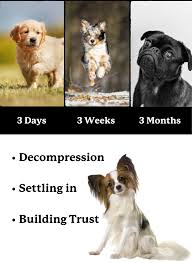
The 3-3-3 rule for dogs describes the common stages most adopted dogs, such as rescues and puppies, experience when adjusting to a new home. This framework divides the transition into three segments: three days, three weeks, and three months. Each period has distinct behavioral patterns and emotional responses.
Key Stages”>

Understanding The Importance Of Choosing The Right Pet Sitter7

Selecting the right pet sitter directly affects my pet’s safety, comfort, and routine. Reliable pet sitters maintain consistent feeding, exercise, and medication schedules. Responsible sitters handle emergencies quickly, report changes in behavior, and provide regular updates.
Selecting an inexperienced or inattentive pet”>

Understanding Wellness Coverage for Pets

I define wellness coverage for pets as a policy designed to help pay for routine veterinary care. Wellness plans focus on preventive healthcare, not emergency situations. I find that coverage typically includes services like annual exams, core vaccinations, flea and tick prevention, heartworm tests, and dental cleanings. Each plan varies,”>

Understanding the 7 7 7 Rule for Dogs

The 7 7 7 rule for dogs describes three stages of transition as dogs adapt to a new home. I use this rule to track behavior changes and identify when my new pet feels settled. Each “7” marks a key adjustment point: 7 days, 7 weeks,”>

What Is a Pet Wellness Exam?
A pet wellness exam focuses on preventive care for pets such as dogs and cats. I bring my pet to a veterinarian for a wellness exam that usually includes a physical check, vaccinations, and diagnostic screenings. Most veterinarians recommend wellness exams at least once per year for adult pets; puppies and senior animals often require more frequent visits.